As a loving dog owner, you want nothing but the best for your furry family member. The question, “What is the absolute best thing to feed a dog?” is one of the most important you can ask, but the answer isn’t a single magic ingredient. The “best” diet is a balanced, high-quality diet tailored to your dog’s unique needs. This comprehensive guide cuts through the confusion, exploring the core components of a healthy canine diet, vet-approved foods, and how modern tools like automatic pet feeders can support your dog’s nutritional well-being.
The Foundation: Understanding Your Dog’s Nutritional Needs
Before diving into specific foods, it’s crucial to understand what makes a diet complete and balanced for a dog. Regardless of the food type—kibble, wet food, or raw—the best options are built on a foundation of essential nutrients.
The Six Essential Nutrient Groups for Dogs
- Proteins: The building blocks for muscles, skin, hair, and organs. Look for high-quality animal-based proteins like chicken, beef, fish, or eggs as the first ingredient.
- Fats: Provide concentrated energy, support healthy skin and coat, and help absorb vitamins. Sources include chicken fat, fish oil, and flaxseed.
- Carbohydrates: Supply energy and fiber for digestive health. Good sources are whole grains (like brown rice or oats) and vegetables (like sweet potatoes and peas).
- Vitamins: Essential for metabolic functions. A high-quality commercial diet is typically fortified with the necessary vitamins.
- Minerals: Crucial for bone health, nerve function, and more (e.g., calcium, phosphorus).
- Water: The most critical nutrient. Fresh, clean water must be available at all times.
Evaluating Your Feeding Options: A Comparative Look
There is no one-size-fits-all answer. The best choice depends on your dog’s age, breed, activity level, and any health conditions. Here’s a breakdown of the most common dietary approaches.
| Diet Type | Pros | Cons | Best For |
|---|---|---|---|
| High-Quality Commercial Kibble | Convenient, cost-effective, nutritionally complete, good for dental health. | Quality varies widely; can contain fillers; lower moisture content. | Most dogs, especially busy households. |
| Wet/Canned Food | High moisture content, palatable, easier to eat for senior dogs. | More expensive, can contribute to dental plaque. | Picky eaters, dogs with dental issues, or those needing hydration. |
| Raw Diets (BARF or Prey Model) | Potential for shinier coats, healthier skin, and smaller stools. | Risk of bacterial contamination, difficult to balance correctly, time-consuming. | Owners committed to rigorous food safety and formulation, under veterinary guidance. |
| Home-Cooked Diets | Full control over ingredients, ideal for dogs with severe allergies. | Extremely difficult to ensure nutritional balance; requires vet nutritionist consultation. | Dogs with specific medical conditions, under strict professional supervision. |
Vet-Approved Healthy Foods You Can Safely Share
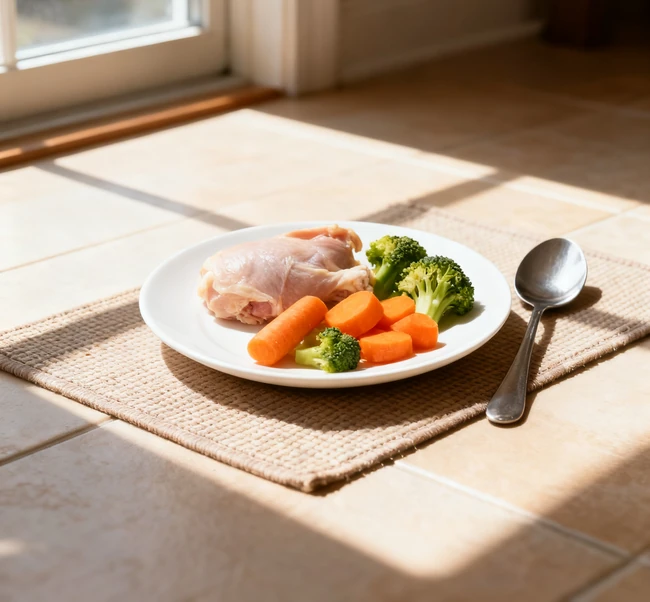
Beyond their main meals, many whole foods can be excellent, healthy treats. At GoFeedPet, where we prioritize safety in all our product evaluations, we always recommend introducing any new human food in small quantities and consulting your vet first, especially for dogs with known health issues.
- Lean Proteins: Cooked chicken, turkey, beef, and fish (like salmon) are fantastic sources of protein. Ensure they are cooked thoroughly and free from seasoning, bones, and excess fat.
- Certain Fruits: Apples (seeds removed), blueberries, bananas, and watermelon (seeds and rind removed) are great low-calorie treats packed with vitamins and antioxidants.
- Vegetables: Carrots (excellent for chewing), green beans, cucumbers, pumpkin (plain, great for digestion), and cooked sweet potatoes are nutrient-dense options.
- Grains and Dairy: Plain, cooked oatmeal and plain yogurt (in moderation) can be good sources of fiber and probiotics.
Foods to Absolutely Avoid: The No-Go List
Knowing what not to feed is just as important. Some common human foods are toxic to dogs.
- Chocolate, Coffee, & Caffeine: Contain methylxanthines, which can cause vomiting, diarrhea, and even death.
- Grapes & Raisins: Can cause sudden kidney failure.
- Onions, Garlic, & Chives: Can destroy red blood cells, leading to anemia.
- Xylitol: An artificial sweetener found in gum, candy, and some peanut butters. It causes a rapid insulin release, leading to hypoglycemia and liver failure.
- Avocado: Contains persin, which can cause vomiting and diarrhea.
- Alcohol: Extremely toxic, can cause respiratory failure and death.
The Role of Feeding Tools in a Healthy Diet
What you feed your dog is paramount, but how you feed them also matters. Consistent meal timing and portion control are critical for preventing obesity and digestive issues. This is where reliable feeding tools come in.
Automatic Feeders for Portion Control and Consistency
An automatic feeder isn’t just a convenience; it’s a tool for health. It ensures your dog is fed the exact right amount at the same time every day, even if your schedule is unpredictable. For dogs on a strict kibble or dry food diet, a feeder like the COZOFU Automatic Gravity Dog Feeder – 25lb Galvanized Metal Pet Food Dispenser can be a great solution for free-feeding situations, while timed feeders like the Automatic Dog Feeder by Nityers – 8L Timed Pet Food Dispenser with LCD Screen offer precise portion control.
Choosing the Right Bowls
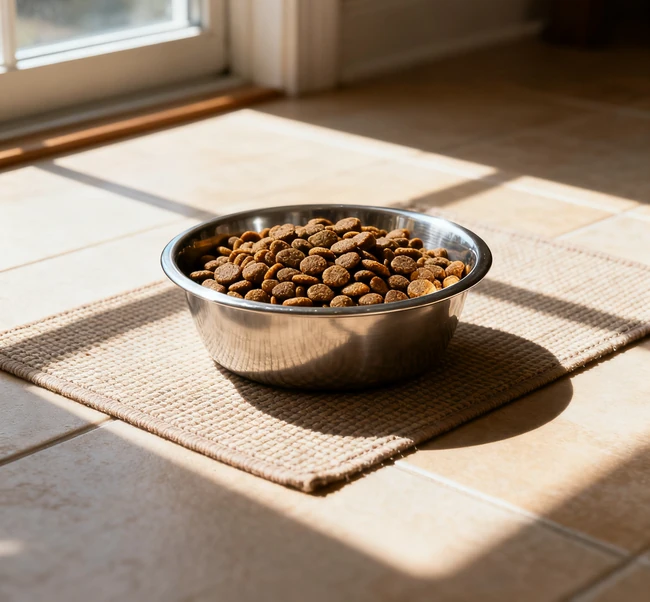
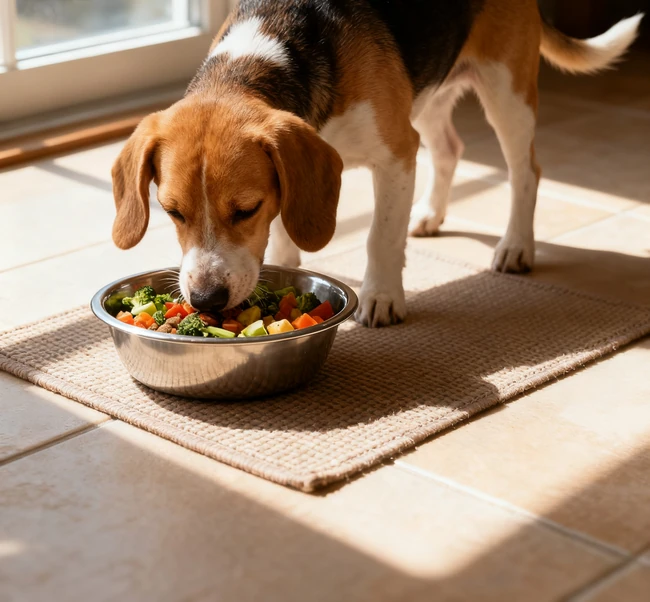
The material of your dog’s bowl can impact their health. Stainless steel bowls are often recommended by vets as they are non-porous, easy to clean, and resistant to bacteria. When we test products like the Miaosical Dual Automatic Cat Feeder, which features stainless steel bowls, we note how this material supports hygiene and pet safety.
Putting It All Together: How to Choose the Best Food
Follow these steps to make an informed decision:
- Consult Your Veterinarian: This is the most important step. Your vet understands your dog’s specific health profile.
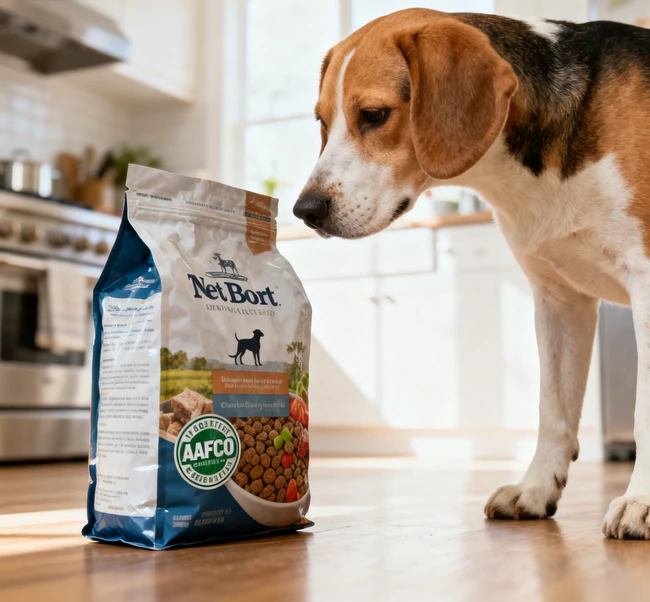
- Read the Label: Look for an AAFCO statement ensuring the food is “complete and balanced” for your dog’s life stage. The first ingredient should be a high-quality protein.
- Consider Life Stage: Puppies, adults, and seniors have different nutritional requirements.
- Monitor Your Dog: After a diet change, watch for signs of a healthy dog: a shiny coat, healthy skin, good energy levels, and firm stools.
Frequently Asked Questions
Is a grain-free diet the best choice for my dog?
Not necessarily. Unless your dog has a diagnosed grain allergy, grains can be a valuable source of nutrients. The FDA has investigated a potential link between grain-free diets and a heart condition called Dilated Cardiomyopathy (DCM). Always discuss diet choices with your veterinarian.
How often should I feed my dog?
Most adult dogs do well with two meals per day. Puppies require more frequent feeding. Using an automatic pet feeder can help maintain a consistent schedule, which aids in digestion and prevents begging.
Can I feed my dog a vegetarian diet?
Dogs are omnivores but thrive on animal-based proteins. It is very difficult to create a balanced vegetarian diet for a dog without professional guidance from a veterinary nutritionist. It is not generally recommended.
What is the best food for a dog with a sensitive stomach?
Look for easily digestible formulas, often with a single novel protein source (like salmon or duck) and a simple carbohydrate (like sweet potato). Your veterinarian can recommend a prescription or over-the-counter diet designed for sensitive systems.
How does GoFeedPet test and evaluate pet feeding products?
At GoFeedPet, our reviews are based on real-world testing. We use products with our own pets for a minimum of 30 days to assess reliability, ease of use, safety, and practicality. We are transparent about our affiliate relationships and prioritize products that genuinely benefit pet health and owner peace of mind. You can read more about our process in our pet reviews & guides.
Are human-grade dog foods worth the extra cost?
Human-grade dog food is held to a higher production standard, which can mean better quality control and ingredients. Whether it’s “worth it” depends on your budget and your dog’s needs. For some dogs with allergies or sensitivities, it can be a great option.
Related Topics
Conclusion
The absolute best thing to feed your dog is a diet that is nutritionally complete, balanced for their life stage, and suited to their individual health needs. There is no single “best” food for every dog. The foundation is always high-quality ingredients, whether you choose a premium commercial diet or incorporate vet-approved whole foods as treats. Remember that tools like automatic feeders play a supporting role in maintaining consistency and portion control. Your veterinarian is your best ally in this journey. For more insights and honest reviews on products that can support your dog’s feeding routine, we invite you to explore the comprehensive guides at GoFeedPet.