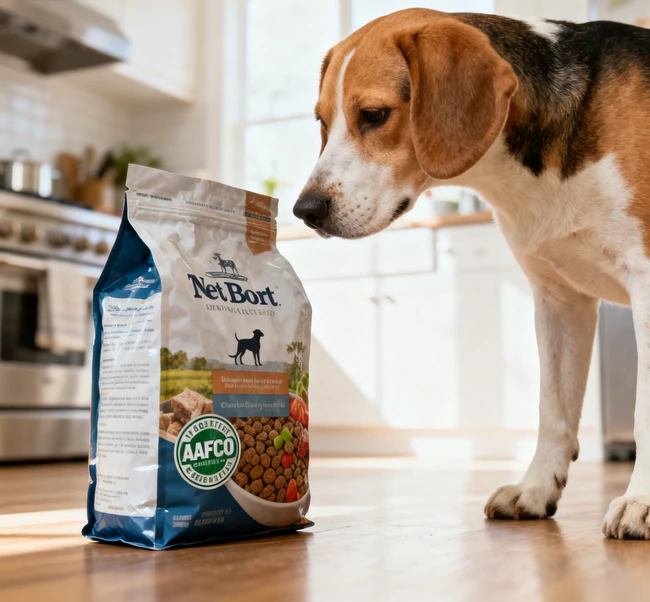
As a pet owner, navigating the world of dog nutrition can feel overwhelming. Between kibble, raw diets, grain-free options, and more, how do you know what’s truly best for your furry friend? One term you may have encountered is the “80/20 rule.” But what does it mean, and is it a beneficial guideline for your dog’s diet? At GoFeedPet, where we prioritize safety and informed decision-making, we believe in breaking down complex topics. This comprehensive guide will explain the 80/20 rule for dog food, its pros and cons, and how it fits into a holistic approach to your pet’s health.
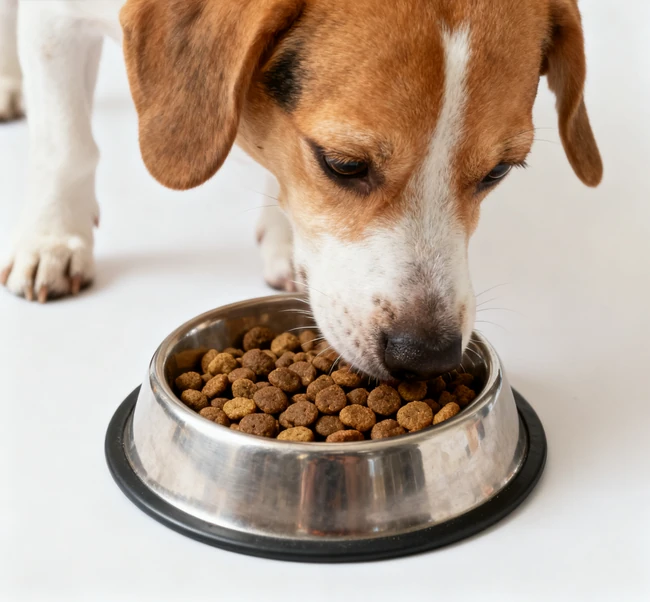
Defining the 80/20 Rule in Dog Food
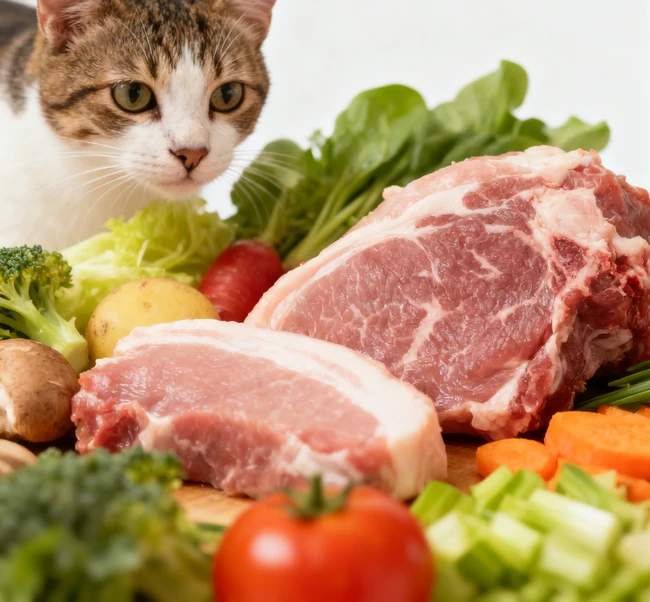
The 80/20 rule is a principle most commonly associated with raw dog food diets, particularly the Biologically Appropriate Raw Food (BARF) model. In this context, the rule states that a dog’s diet should consist of:
- 80% Muscle Meat: This forms the foundation of the diet, providing essential protein and fats.
- 10% Raw Edible Bone: Supplies crucial calcium, phosphorus, and other minerals.
- 5% Liver: An essential source of vitamins A and B, iron, and copper.
- 5% Other Secreting Organs: Such as kidney, spleen, or brain, which provide a diverse range of nutrients.
This ratio is designed to mimic the nutritional profile of what a canine might consume in the wild, promoting a diet that is high in protein, moisture-rich, and low in carbohydrates.
Beyond Raw: The Broader Application of the 80/20 Principle
While its roots are in raw feeding, the 80/20 concept has been adopted more broadly as a philosophy of balance. It can also refer to the idea that 80% of your dog’s health and nutrition comes from 20% of the key ingredients or choices you make. This means focusing on high-quality, core components—like a premium protein source and essential organs—rather than getting lost in a long list of fillers and additives. When evaluating commercial dog food, whether kibble or wet, we at GoFeedPet look for products that embody this spirit by prioritizing meat content and vital nutrients over carbohydrates and artificial preservatives.
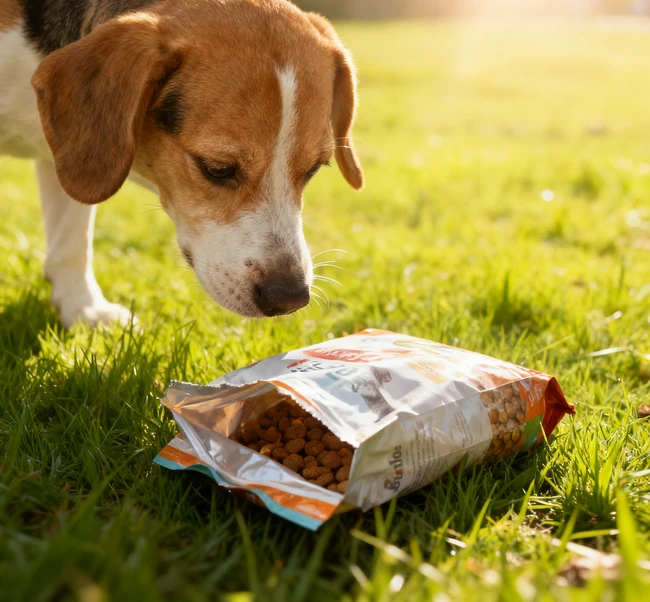
The Pros and Cons of the 80/20 Dog Food Rule
Like any dietary approach, the 80/20 rule has its advocates and its critics. Understanding both sides is key to making an informed decision for your pet.
Potential Benefits
- High-Quality Protein: Supports strong muscles, healthy skin, and a shiny coat.
- Natural Dental Health: Chewing on raw meaty bones can help clean teeth and reduce tartar.
- Improved Digestion: The high moisture content and lack of processed fillers can lead to smaller, firmer stools.
- Potential for Fewer Allergies: By eliminating common kibble allergens like grains and artificial ingredients, some dogs experience relief from skin and digestive issues.
Potential Drawbacks and Risks
- Bacterial Contamination: Raw meat can harbor pathogens like Salmonella and E. coli, posing risks to both pets and humans in the household.
- Nutritional Imbalance: It is challenging to get the 80/10/5/5 ratio perfect consistently. An imbalance can lead to serious health issues over time.
- Choking or Dental Damage: Bones, if not the correct type or size, can splinter and cause injury.
- Inconvenience and Cost: Sourcing, preparing, and storing a raw diet is more time-consuming and expensive than feeding commercial kibble.
80/20 Rule vs. Other Raw Food Models
It’s helpful to see how the 80/20 rule compares to another popular model, the 60/40 ratio, often used in Prey Model Raw (PMR) diets.
| Component | 80/20 Rule (BARF Model) | 60/40 Rule (PMR Model) |
|---|---|---|
| Muscle Meat | 80% | ~60% (varies) |
| Raw Edible Bone | 10% | ~10-15% |
| Organs (Liver & Other) | 10% | ~10-15% |
| Vegetables/Fruits | Often included as a supplement | Typically excluded |
Practical Application: How to Feed an 80/20 Diet Safely
If you’re considering an 80/20-style diet, safety and diligence are non-negotiable. Here are the steps we recommend based on our research-first approach at GoFeedPet:
- Consult Your Veterinarian: Before making any drastic dietary change, especially a raw diet, discuss it with your vet. They can assess your dog’s individual health needs.
- Source Responsibly: Purchase human-grade meat from reputable suppliers to minimize contamination risks.
- Practice Impeccable Hygiene: Wash all surfaces, utensils, and your hands thoroughly after handling raw food. Consider using dedicated tools like a COZOFU Automatic Gravity Dog Feeder – 25lb Galvanized Metal Pet Food Dispenser for dry food to avoid cross-contamination.
- Consider Commercial Alternatives: Many high-quality commercial raw or freeze-dried foods are formulated to meet AAFCO standards, taking the guesswork out of nutritional balance.
Integrating the 80/20 Philosophy with Modern Feeding Solutions
Even if a full raw diet isn’t for you, the core idea of the 80/20 rule—focusing on quality core ingredients—can be applied to any feeding routine. Pairing a high-quality kibble (check our Dog Food reviews) with a reliable feeding schedule is a fantastic way to support your dog’s health. For busy pet parents, automatic feeders can ensure consistency. For example, the PETLIBRO 5G WiFi Automatic Pet Feeder allows for precise portion control, while the Automatic Dog Feeder by Nityers offers a simple timed solution. For multi-pet households, a feeder like the oneisall Automatic Cat Feeder for 2 Cats can help manage individual portions.
Frequently Asked Questions (FAQ)
Is the 80/20 rule only for raw dog food?
Primarily, yes. The 80/20 rule is a specific formulation guideline for raw diets. However, the underlying principle of prioritizing high-quality, core ingredients (the “20%” that provides “80%” of the benefit) can be a useful mindset when selecting any type of commercial dog food.
Can I feed my puppy an 80/20 raw diet?
Puppies have very specific nutritional requirements for growth, including precise calcium-to-phosphorus ratios. A homemade raw diet is not recommended for puppies unless formulated by a veterinary nutritionist, as imbalances can lead to developmental bone diseases.
What are the signs of a nutritional imbalance?
Watch for symptoms like a dull coat, flaky skin, low energy, digestive upset (chronic diarrhea or constipation), weight loss, or unusual eating habits (like eating dirt, a condition known as pica). If you notice any of these, consult your veterinarian immediately.
How does GoFeedPet test and evaluate pet food and feeders?
At GoFeedPet, our reviews are built on a foundation of trust and real-world experience. For products like the Vacqueen WiFi Automatic Cat Feeder or any food we discuss, we conduct hands-on testing for a minimum of 30 days where applicable. We evaluate based on safety, reliability, ease of use, and practicality, always with the pet’s well-being as the top priority. We are transparent about our affiliate partnerships and only recommend products we genuinely believe can help pet parents.
Are there commercial dog foods that follow the 80/20 rule?
Some premium commercial raw, freeze-dried, or air-dried dog foods are formulated with similar high-meat, low-carbohydrate principles. Look for brands that clearly state their meat, organ, and bone content on the label. Always ensure the product meets AAFCO nutritional standards for your dog’s life stage.
What is a good alternative if I’m worried about raw feeding risks?
High-quality wet (canned) food or gently cooked fresh food delivery services are excellent alternatives. These options offer high moisture content and palatability without the bacterial risks associated with raw meat. Pairing these with a reliable feeder like the Yuposl Automatic Cat Feeder or the IMIPAW Automatic Cat Feeder can automate your feeding routine.
Related Topics
Explore more pet care insights and product reviews on GoFeedPet.
- Best High-Protein Dog Foods
- Automatic Feeders with Water Dispensers
- Smart Feeders with Voice Recording
- WiFi-Enabled Pet Feeders
- GoFeedPet Pet Reviews & Guides
Conclusion
Understanding the 80/20 rule for dog food empowers you to make more informed choices about your pet’s nutrition. Whether you adopt a full raw diet, use it as a guiding philosophy for selecting commercial food, or simply appreciate the knowledge, the focus should always be on your dog’s individual health and happiness. Remember, any major dietary change should be discussed with your veterinarian. For more trusted, hands-on reviews of pet feeders, food, and accessories to complement your dog’s diet, we invite you to explore the comprehensive guides and honest insights at GoFeedPet.