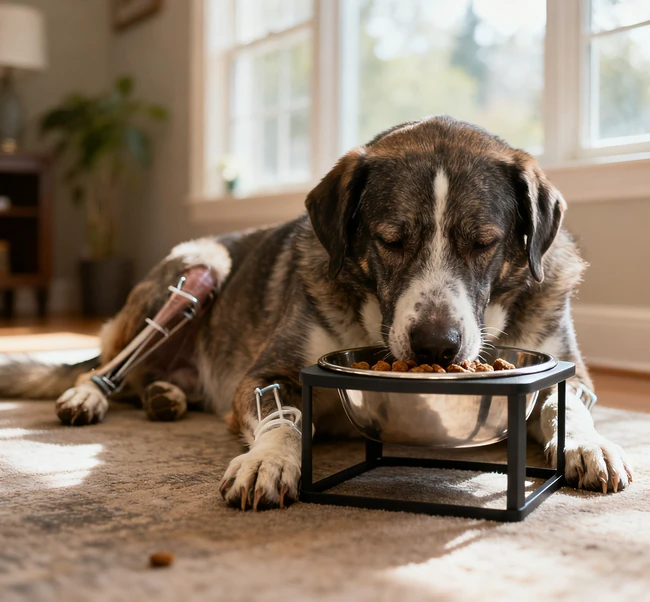
What Are Elevated Dog Bowls?
Elevated or raised dog bowls are feeding stations where the food and water dishes are lifted off the ground, typically on a stand. These stands come in various heights and materials, from simple plastic risers to elegant wooden or metal designs. The primary intention is to position the bowl at a more comfortable height for the dog to eat and drink without having to crane their neck down to the floor.
The Potential Benefits: Why Some Pet Owners Swear By Them
Proponents of elevated feeders highlight several key advantages, particularly for certain types of dogs.
Improved Posture and Comfort
For tall, large, or giant breed dogs like Great Danes or German Shepherds, eating from the floor can be an awkward, neck-straining experience. An elevated bowl allows them to eat in a more natural, upright position, which can be more comfortable.
Easier for Arthritic or Senior Dogs
Older dogs or those with mobility issues, arthritis, or neck and back pain often find it painful to bend down. Raising the bowl reduces the amount of bending required, making mealtime less of a chore and more enjoyable.
Neater Feeding Area
Elevated bowls can help contain spills and slobber, especially from enthusiastic drinkers. Some models are designed with trays to catch drips, keeping your floors cleaner. For a completely hands-off approach, you could also consider an automatic pet feeder & water dispenser set that incorporates elevated design principles.
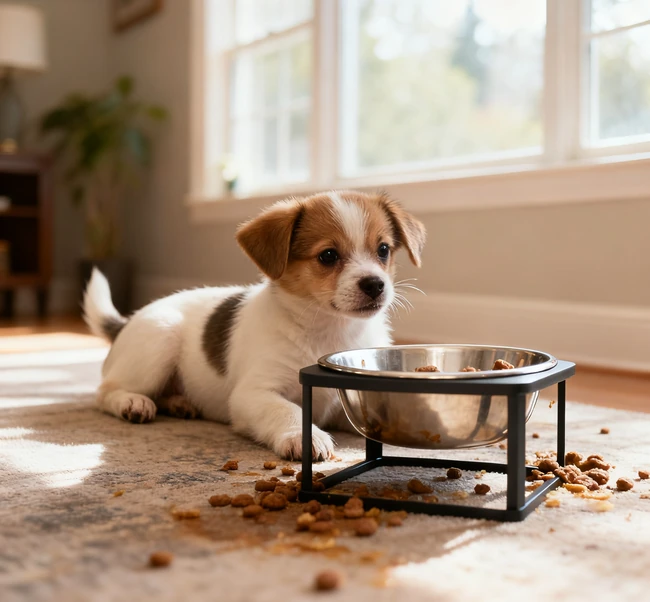
The Critical Risk: The Link to Bloat (GDV)
This is the most significant and debated issue surrounding elevated feeders. Gastric Dilatation-Volvulus (GDV), commonly known as “bloat,” is a life-threatening condition where a dog’s stomach fills with gas and twists on itself.
What the Research Says
A landmark study published in the Journal of the American Veterinary Medical Association found that raised feeders were associated with an increased risk of GDV. This was particularly true among large and giant breed dogs. While the study showed correlation, not causation, it was significant enough for many veterinarians to urge caution.
Which Dogs Are Most at Risk?
Bloat is a greater concern for specific types of dogs. Be especially cautious if your dog fits this profile:
- Large and Giant Breeds: Great Danes, Weimaraners, St. Bernards, Standard Poodles, etc.
- Deep-Chested Breeds: German Shepherds, Doberman Pinschers, Irish Setters.
- Dogs with a Family History: GDV has a known genetic component.
- Fast Eaters: Dogs that gulp their food quickly ingest more air.
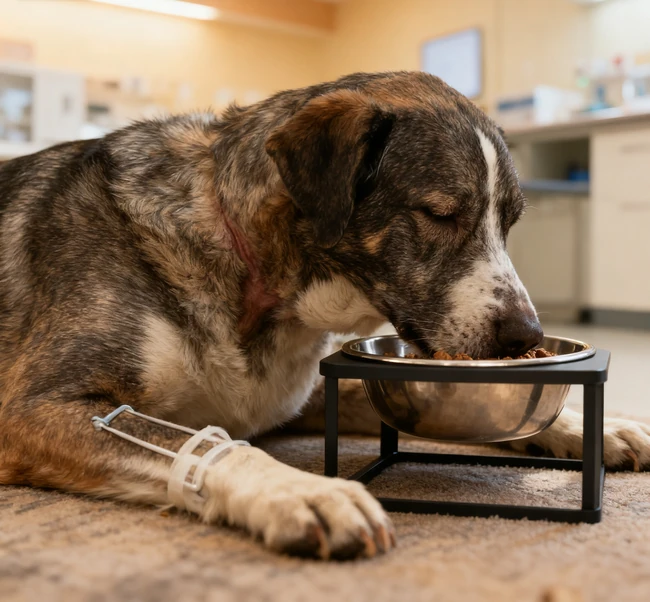
The Verdict: So, Do Vets Recommend Elevated Dog Bowls?
Based on the current scientific evidence, here is the consensus view:
Veterinarians do not universally recommend elevated dog bowls. The recommendation is highly individualized. For a small, healthy dog with no risk factors for bloat, an elevated bowl may offer comfort with little downside. However, for a large or giant breed dog with a predisposition to GDV, most vets would strongly advise against using a raised feeder due to the potential increased risk.
At GoFeedPet, our testing philosophy prioritizes pet safety above all else. When we evaluate products like the COZOFU Automatic Gravity Dog Feeder or other feeding stations, we always consider the latest veterinary guidance to ensure our recommendations are safe and responsible.
Who Should (and Shouldn’t) Use an Elevated Bowl?
Use this quick guide to see if an elevated bowl might be right for your dog.
| Good Candidates for Elevated Bowls | Poor Candidates for Elevated Bowls |
|---|---|
|
|
Choosing the Right Height and Type
If you and your vet decide an elevated bowl is appropriate, getting the right fit is crucial.
How to Measure for the Correct Height
The ideal height is one that allows your dog to eat comfortably without lifting or lowering their head. A general rule is to measure from the floor to the bottom of your dog’s chest (their elbow joint while standing). The top of the bowl should be at or slightly below this height.
Material Matters: Safety and Hygiene
Choose bowls made from non-porous, easy-to-clean materials to prevent bacterial growth. Stainless steel is the gold standard, as it’s durable, non-toxic, and dishwasher-safe. This is why we often prefer feeders with stainless steel bowls, like the Miaosical Dual Automatic Cat Feeder, for our own pets. Ceramic is another good option if it’s lead-free. For a different automated solution, the PETLIBRO 5G WiFi Automatic Pet Feeder also offers hygienic materials.
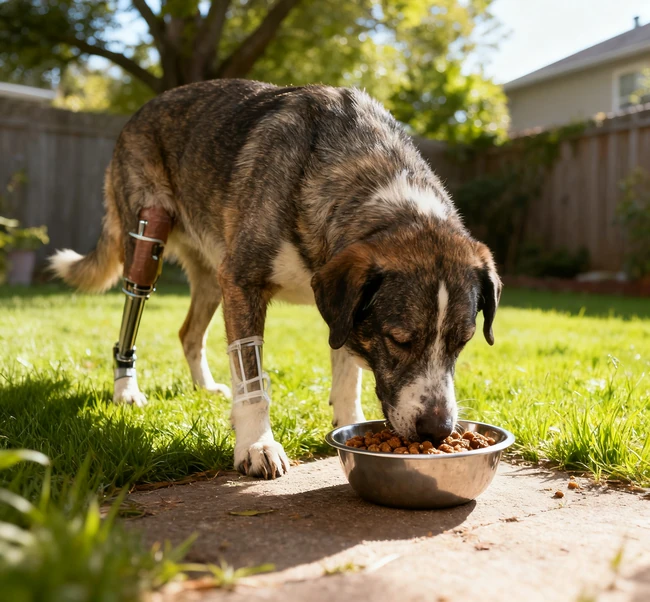
Safer Alternatives and Feeding Tips
If you’re concerned about the risks of elevated bowls, here are some vet-approved alternatives and best practices for safe feeding.
- Use a Slow-Feeder Bowl: This is one of the best ways to combat fast eating, a major bloat risk factor. These bowls have ridges and mazes that force dogs to eat slower.
- Feed Multiple Small Meals: Instead of one large meal, split your dog’s daily food into two or three smaller portions. An automatic dog feeder with timed portions can make this schedule easy to maintain.
- Ensure a Calm Environment: Avoid vigorous exercise right before or after eating.
- Provide Constant Access to Fresh Water: A pet water fountain can encourage hydration, which aids digestion.
Frequently Asked Questions
Are elevated dog bowls bad for all dogs?
No, they are not universally bad. For small breeds, senior dogs with mobility issues, or dogs with no risk factors for GDV, they can be beneficial. The risk is primarily for large, giant, and deep-chested breeds.
What is the best type of dog bowl from a vet’s perspective?
Most veterinarians recommend stainless steel bowls placed on the ground for dogs at risk of bloat. Stainless steel is non-porous, easy to sanitize, and durable. Ceramic is a good second choice if it’s certified lead-free.
Can elevated bowls help with a dog’s digestion?
While they may make swallowing easier for some dogs, there is no strong scientific evidence that they directly improve digestion. Slower eating, achieved with a slow-feeder bowl, is a more proven method to aid digestive health.
How does GoFeedPet test and evaluate pet feeders?
At GoFeedPet, our reviews are built on a foundation of trust and real-world experience. We conduct hands-on testing with our own pets for a minimum of 30 days, evaluating products based on safety, reliability, ease of use, and practicality. We are transparent about our affiliate relationships and never let commissions influence our recommendations—pets always come first. You can read our honest takes on everything from dog food to automatic feeders for multi-pet homes.
Should I use an elevated bowl for a puppy?
It’s generally not necessary. Puppies are low to the ground and very flexible. If you do choose one, ensure it’s the correct height and monitor them closely. Their rapid growth means you’ll need to adjust the height frequently.
Are there any automatic feeders that are elevated?
Yes, some automatic feeders are designed with a raised base or stand. For example, the Yuposl Automatic Cat Feeder and the Voluas Automatic Cat Feeder have elevated designs suitable for smaller pets. Always consider the bloat risk profile of your pet before choosing one.
Related Topics
Explore more feeding and care guides on GoFeedPet:
- Best Dog Food for Sensitive Stomachs
- How to Choose a Pet Water Fountain
- Automatic Feeders for Portion Control
- Smart WiFi Pet Feeders Reviewed
- All GoFeedPet Reviews & Guides
Conclusion
The question “do vets recommend elevated dog bowls?” does not have a one-word answer. The decision is a personal one that must be made in consultation with your veterinarian, taking into account your dog’s unique breed, size, age, and health history. While elevated bowls offer clear comfort benefits for some, the potential link to the serious condition of bloat in at-risk dogs cannot be ignored.
Ultimately, the safest approach is to be an informed pet parent. Weigh the pros and cons carefully, and when in doubt, err on the side of caution. For more in-depth, tested reviews on all types of pet feeding solutions—from standard bowls to advanced automatic dispensers—we invite you to explore the honest and transparent guides at GoFeedPet.