The Veterinary Verdict on Automatic Feeders
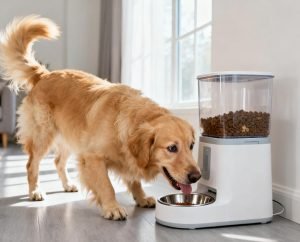
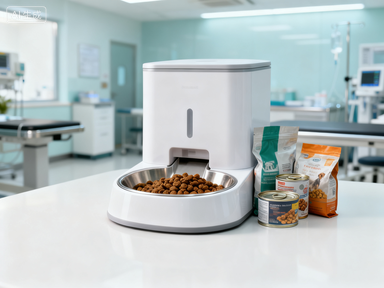
Veterinarians approach pet care with a focus on health, behavior, and overall well-being. From this perspective, automatic feeders are not inherently good or bad; they are a piece of pet care technology that can be either beneficial or detrimental. The recommendation hinges entirely on how the feeder is used and which pet it’s for.
At GoFeedPet, our mission is to help you make informed decisions, and we’ve found through our hands-on testing that the models vets are most likely to approve are those that enhance control, consistency, and safety.
When Vets Are Most Likely to Recommend an Automatic Feeder
- Weight Management and Portion Control: This is the number one reason vets recommend feeders. Precise portion control is critical for pets on a diet or with conditions like diabetes. An automatic feeder dispenses the exact amount of food at scheduled times, eliminating human error and “eyes-bigger-than-their-stomach” begging.
- Structured Feeding Schedules: Cats and dogs thrive on routine. Feeders ensure meals are served at the same time every day, even if your work schedule is erratic. This consistency can reduce anxiety and improve digestive health.
- Multi-Pet Households: If one pet needs a special diet or is a fast eater, a feeder like the Miaosical Dual Automatic Cat Feeder can be programmed to open only for a specific pet’s microchip or RFID tag, preventing food theft.
- Medication and Special Diets: For pets that require medication with food at specific intervals, a scheduled feeder ensures they never miss a dose.
When Vets Advise Caution or Discourage Use
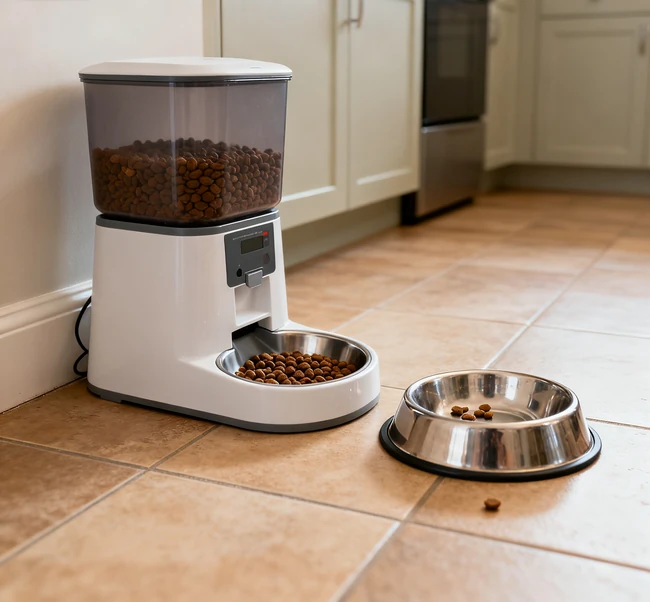
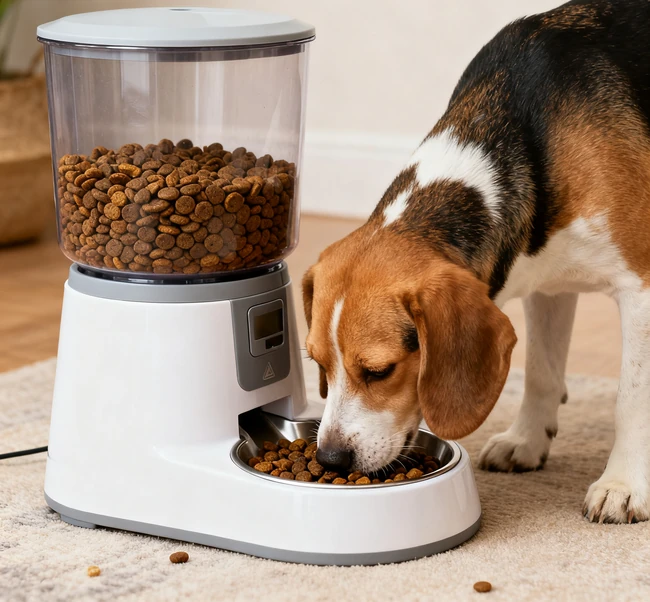
- Free-Feeding with Gravity Feeders: Vets generally do not recommend open-gravity hoppers that allow pets to eat whenever they want. This practice often leads to obesity, which is a major contributor to arthritis, diabetes, and heart disease. While convenient, a COZOFU Automatic Gravity Dog Feeder should be used with caution and only for pets with exceptional self-regulation.
- Pets with Specific Health Issues: Pets that vomit bile on an empty stomach or have specific gastrointestinal disorders may need a different feeding strategy. Always consult your vet.
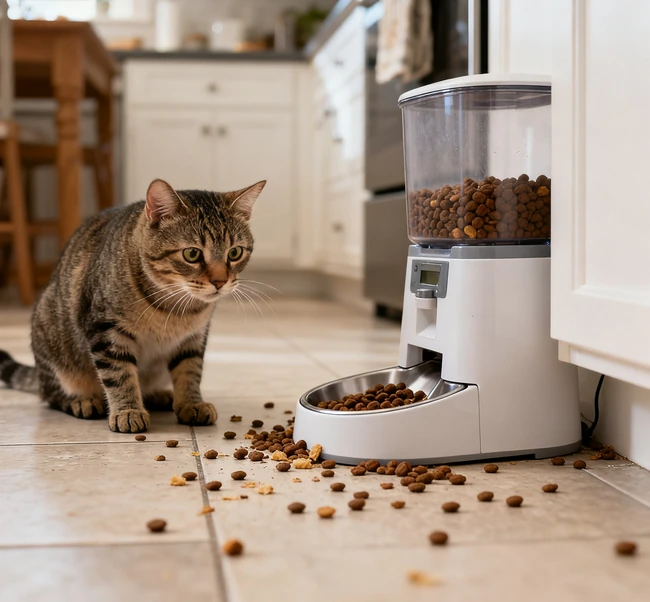
- Risk of Mechanical Failure: A feeder that jams, over-dispenses, or loses power can disrupt your pet’s eating routine or leave them without food. Reliability is non-negotiable.
Pros and Cons: A Veterinarian’s Perspective
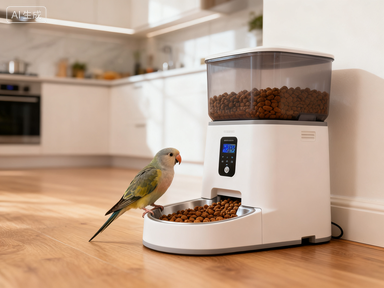
Understanding the potential benefits and risks is key to making a smart decision. Here’s a breakdown from a health-focused viewpoint.
| Pros (Why Vets Like Them) | Cons (Why Vets Are Cautious) |
|---|---|
|
|
Choosing a Vet-Approved Automatic Feeder
If you and your vet decide an automatic feeder is a good choice, selecting the right model is the next critical step. Based on our testing at GoFeedPet, where we prioritize safety and reliability, here are the key features to look for.
Essential Safety and Functionality Features
- Portion Control & Scheduling: Look for a feeder that allows you to set specific meal sizes and multiple feeding times per day. Smart feeders like the PETLIBRO 5G WiFi Automatic Pet Feeder offer excellent control via a smartphone app.
- Power Backup: A feeder with battery backup (like the Yuposl Automatic Cat Feeder) is crucial to ensure your pet is fed during a power outage.
- Anti-Jam Technology: Mechanisms that prevent kibble from getting stuck are vital. The Vacqueen WiFi Automatic Cat Feeder uses an anti-jam spiral to ensure consistent food delivery.
- Easy-to-Clean Design: Hygiene is paramount to prevent bacteria and mold growth. Removable bowls and food hoppers are a must.
Types of Automatic Feeders and Their Best Uses
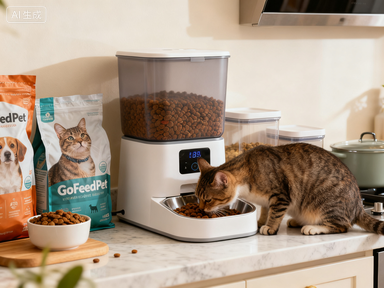
- Gravity Feeders: Simple, low-cost, but offer no portion control. Best for healthy, non-food-motivated pets as a backup, not a primary solution. Example: Kacoomi Automatic Pet Feeder & Water Dispenser.
- Timed Programmable Feeders: The most common and vet-recommended type. They dispense pre-portioned meals at set times. Examples: Automatic Dog Feeder by Nityers and oneisall Automatic Cat Feeder for 2 Cats.
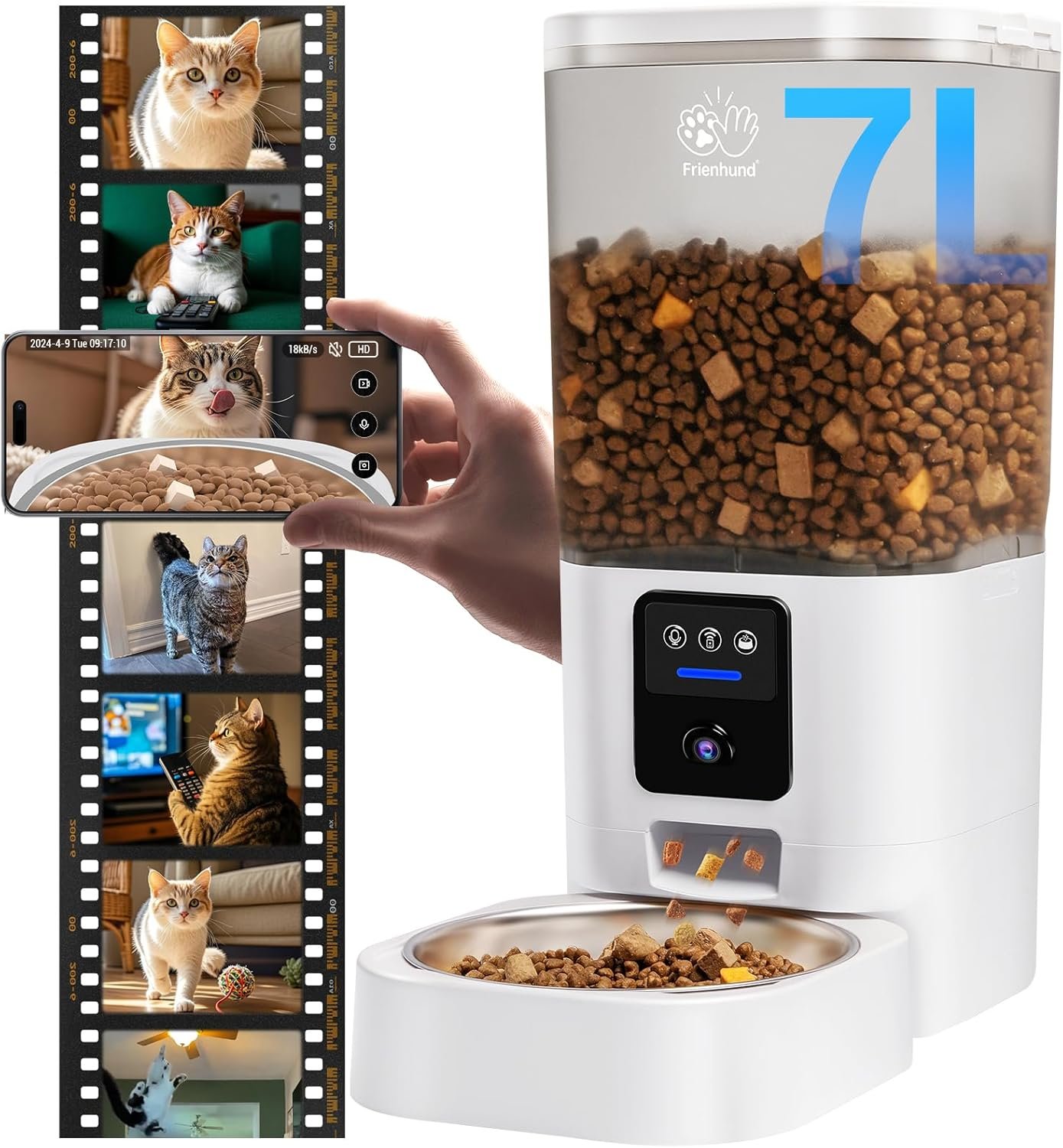
- Smart WiFi Feeders: Offer the most control, with remote scheduling, portion control, and meal history via an app. Ideal for owners with unpredictable schedules. Example: IMIPAW Automatic Cat Feeder.
Frequently Asked Questions
Do vets recommend automatic feeders for cats?
Yes, many vets do, particularly for portion control and managing conditions like diabetes. They can also help reduce anxiety in cats that become stressed by irregular feeding times.
Are automatic feeders bad for dogs?
They are not inherently bad. They are excellent for weight management. However, for dogs prone to resource guarding or anxiety, the noise and mechanism might cause stress. It’s important to monitor your dog’s reaction.
Can an automatic feeder help my pet lose weight?
Absolutely. This is one of the primary veterinary recommendations for automatic feeders. By providing precise, scheduled portions, you can strictly control your pet’s caloric intake, which is the cornerstone of any weight loss plan.
What is the main downside of an automatic pet feeder?
The biggest risk is mechanical failure, which could lead to under-feeding or over-feeding. This is why choosing a reliable model from a reputable brand and having a backup plan is essential.
Are automatic feeders a good idea for puppies or kittens?
For young animals, frequent, small meals are important. While a feeder can provide this, it also removes the opportunity for crucial human interaction and training during feeding. Consult your vet for guidance specific to your young pet’s needs.
How does GoFeedPet test and evaluate automatic feeders?
At GoFeedPet, we believe in honest, transparent reviews. We conduct real-world testing with our own pets for a minimum of 30 days, evaluating criteria like portion accuracy, reliability, ease of cleaning, battery life, and app functionality (if applicable). We are transparent that we use affiliate links, but our reviews are never sponsored, and our recommendations always prioritize pet safety and well-being over commissions. You can read our detailed process in our pet reviews & guides.
What should I do if my automatic feeder stops working?
Always have a backup plan. Keep your pet’s regular bowl accessible and know their typical portion size. Immediately contact the manufacturer if the feeder is under warranty, and consider leaving a negative review to warn other consumers if the product is unreliable.
Related Topics
- Automatic Pet Feeders
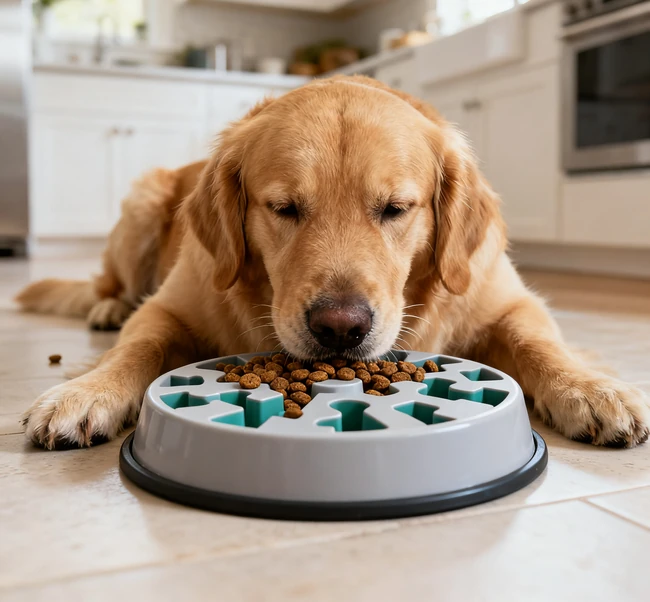
- Best slow feeder bowls for dogs
- How to switch your pet to an automatic feeder
- Pet water fountains vs. bowls
- Managing multi-cat feeding schedules
Conclusion
So, do vets recommend automatic feeders? The consensus is a cautious “yes,” with an emphasis on their role as a tool for promoting health through portion control and consistency. The key to success lies in choosing a reliable, safe feeder that matches your pet’s specific needs and using it as part of a broader, attentive care routine. Before making a purchase, we encourage you to consult your veterinarian and explore the in-depth, hands-on reviews available at GoFeedPet to find a model you can trust.
![Do Automatic Cat Feeders Work for Multiple Cats? [2026 Guide]](https://gofeedpet.com/wp-content/uploads/2026/04/ScreenShot_2026-04-02_213312_189-300x252.jpg)