Do Automatic Cat Feeders Work for Multiple Cats? [2026 Guide]



This contributor provided valuable insights and hands-on testing experience for this product review, helping us deliver authentic and detailed information to our readers.
To help us provide you with free impartial advice, we may earn a commission if you buy through links on our site. Learn more about our affiliate disclosure
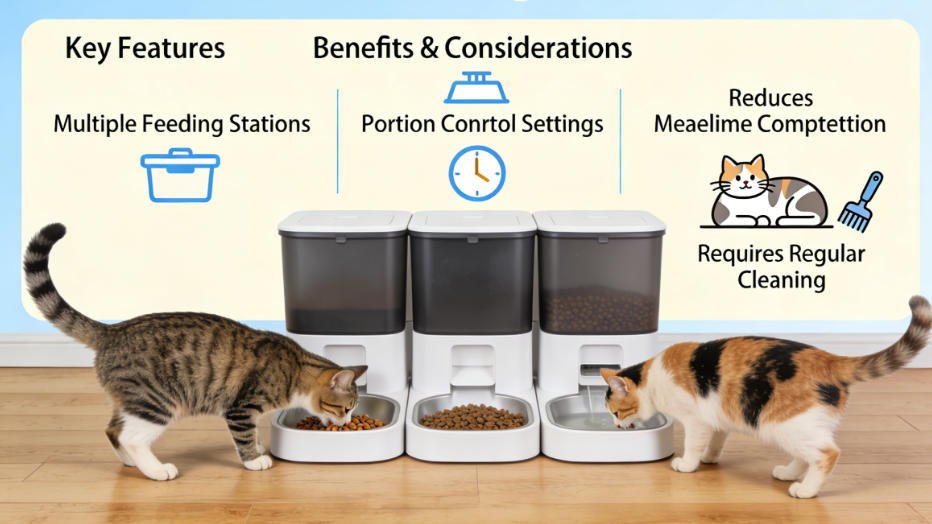
Understanding Automatic Cat Feeders for Multiple Cats
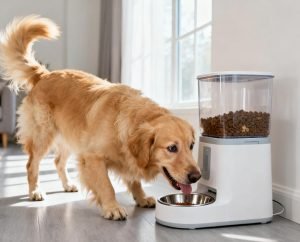
Automatic cat feeders are designed to dispense food at scheduled times, helping maintain consistent feeding routines even when you’re not home. For households with multiple cats, these devices can be game-changers, but they work differently depending on the type and your cats’ behaviors.
Types of Automatic Feeders Suitable for Multiple Cats
1. Gravity Feeders
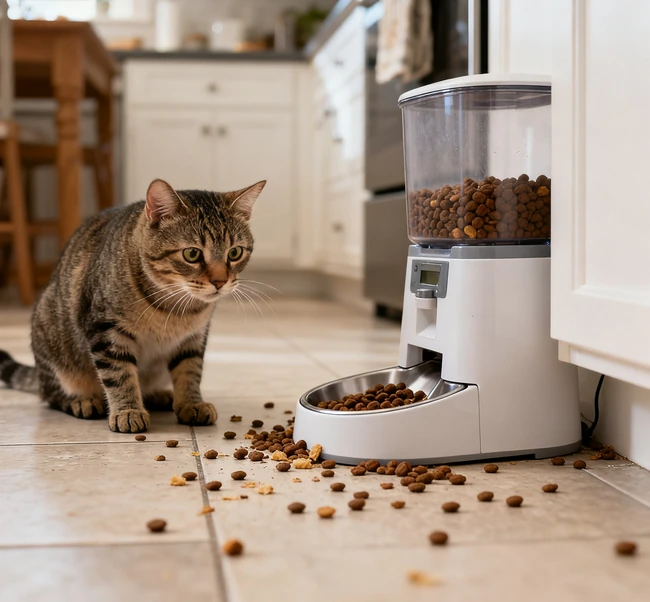
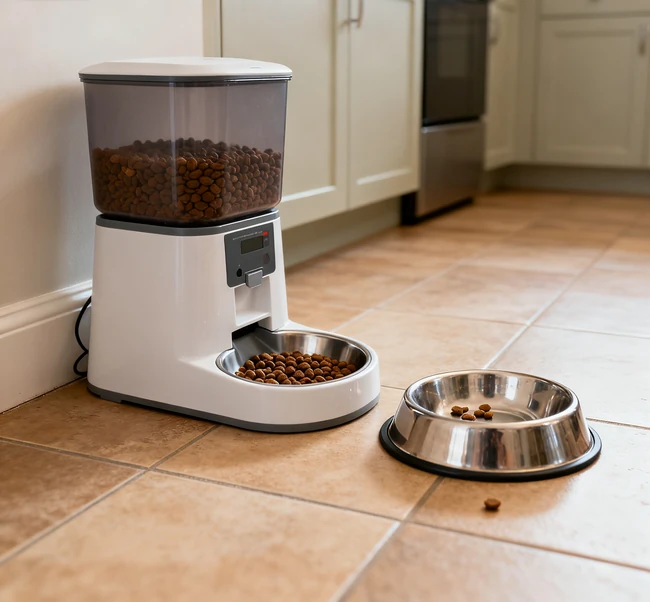
Gravity feeders continuously refill the bowl as cats eat. While affordable and simple, they’re generally not ideal for multiple cats with different dietary needs, as they don’t control portions or prevent food-aggressive cats from overeating.
2. Programmable Timed Feeders
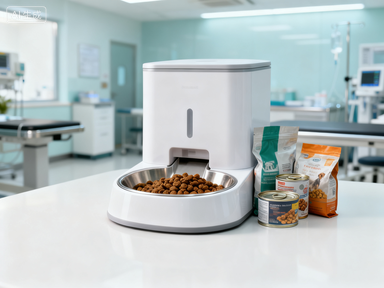
These feeders dispense specific portions at set times. They work well for multiple cats if:
- Your cats eat similar amounts
- They don’t have food aggression issues
- You can supervise initial feedings to ensure fair sharing
3. Microchip-Activated Feeders
The gold standard for multi-cat households. These feeders use your cat’s microchip or RFID collar tag to grant access only to the designated cat. This ensures:
- Each cat gets their prescribed portion
- Cats on special diets aren’t compromised
- Food-aggressive cats can’t steal from others
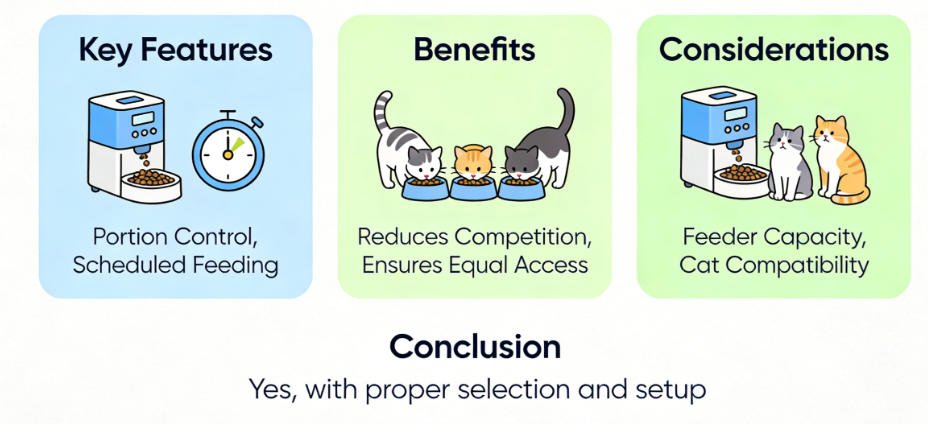
Key Factors to Consider
Individual Dietary Needs
If your cats require different types of food (prescription diets, weight management, kitten formula), microchip feeders are essential. They prevent cross-contamination and ensure each cat receives their specific nutrition.
Food Aggression and Dominance
In households where one cat dominates feeding time, a single shared feeder won’t work. You’ll need either:
- Multiple microchip feeders (one per cat)
- Separate feeding stations in different rooms
- Supervised feeding times initially
Feeder Capacity
Calculate total daily food consumption for all cats. A feeder holding 4-6 cups might work for two cats but won’t suffice for four or more. Consider feeders with larger hoppers or invest in multiple units.
Best Practices for Success
Gradual Introduction
Don’t switch to automatic feeding overnight. Introduce the feeder gradually:
- Place the unplugged feeder near their regular bowls for a few days
- Feed them manually from the feeder bowl
- Start with one automated meal while supervising
- Gradually increase automated feedings over 1-2 weeks
Strategic Placement
Position feeders in quiet, low-traffic areas where cats feel safe. For multiple feeders, place them in separate locations to reduce competition and stress.
Regular Monitoring
Even with automatic feeders, monitor your cats’ eating habits:
- Check if all cats are eating their portions
- Watch for weight changes
- Ensure no cat is being bullied away from food
- Clean feeders weekly to prevent bacteria buildup
Common Challenges and Solutions
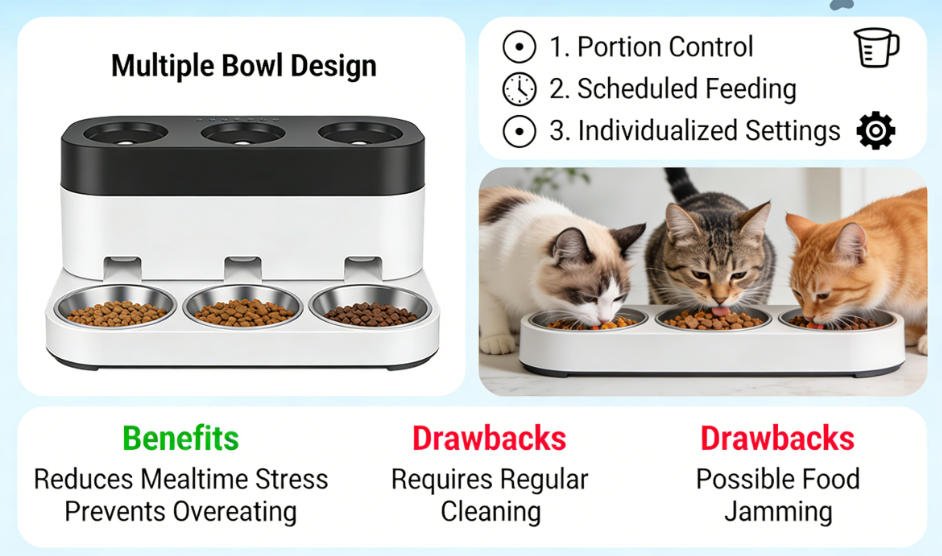
Challenge: Cats Waiting by the Feeder
Solution: This is normal initially. Maintain the schedule consistently, and cats will learn the routine. Provide enrichment activities to distract them between meals.
Challenge: One Cat Eating Another’s Food
Solution: Invest in microchip feeders or create physical barriers between feeding stations. Some owners use baby gates or feed cats in separate rooms.
Challenge: Feeder Malfunctions
Solution: Always have backup food available. Choose feeders with battery backup and low-food alerts. Test the feeder regularly to ensure proper function.
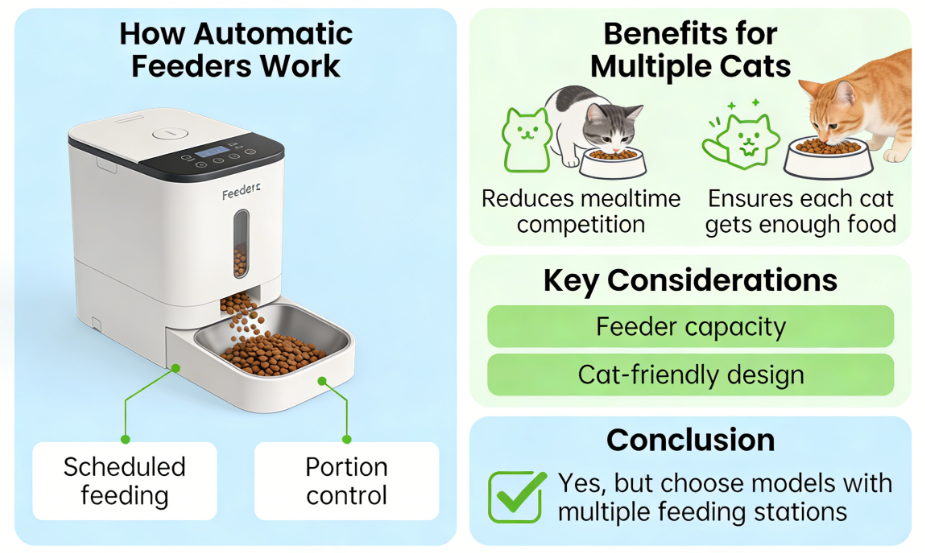
Recommended Features for Multi-Cat Households
- Portion Control: Adjustable serving sizes (1/8 cup to 1 cup increments)
- Multiple Meal Settings: At least 4-6 meals per day capability
- Large Capacity: Minimum 6-8 cup hopper for 2-3 cats
- Backup Power: Battery backup to maintain schedule during outages
- Easy Cleaning: Dishwasher-safe components
- Anti-Jam Mechanism: Prevents kibble from blocking the dispenser
- Secure Lid: Prevents clever cats from accessing the food reservoir
When Automatic Feeders May Not Work
While automatic feeders solve many problems, they’re not suitable for every situation:
- Cats requiring wet food exclusively (though some feeders handle wet food with ice packs)
- Very young kittens needing frequent small meals and monitoring
- Cats with severe anxiety or behavioral issues around food
- Households where cats need medication mixed with food at specific times
The Bottom Line
Automatic cat feeders absolutely can work for multiple cats, but success depends on choosing the right type for your household’s specific needs. Microchip-activated feeders offer the most control and flexibility, while standard timed feeders work well for cats with similar dietary needs and no food aggression.
The key is understanding your cats’ individual personalities, dietary requirements, and feeding behaviors. With proper selection, gradual introduction, and ongoing monitoring, automatic feeders can simplify your life while ensuring all your cats receive proper nutrition on a consistent schedule.
Remember, technology should enhance—not replace—your attention to your pets’ wellbeing. Use automatic feeders as tools to maintain routine and convenience, but continue observing your cats’ health and happiness regularly.
Reviewed By
You might also like
Leave a Reply