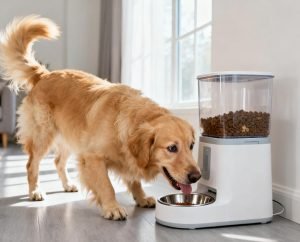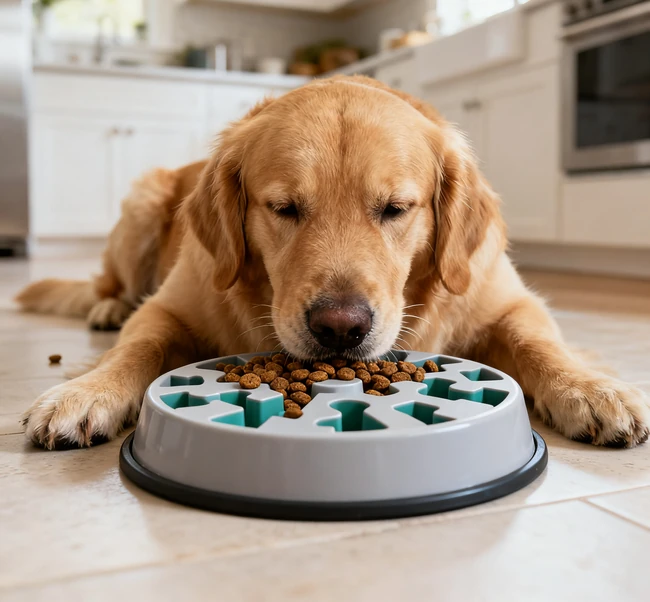
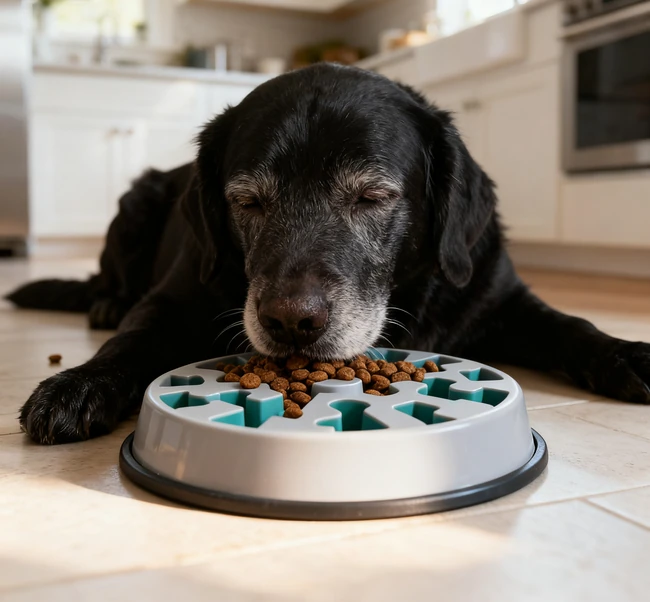
If your dog inhales their food in seconds, leaving you to wonder if they even tasted it, you’re not alone. This common behavior, known as rapid eating, can lead to a host of health issues. As a pet owner, it’s natural to seek solutions, and one of the most frequently suggested tools is the slow feeder bowl. But is this just a trendy gadget, or does it have professional backing? The short answer is a resounding yes, many veterinarians do recommend slow feeders for dogs that eat too quickly. In this comprehensive guide, we’ll explore the compelling reasons behind this professional endorsement, the science of how they work, and how to choose the right one for your furry friend, drawing on the real-world testing principles we use at GoFeedPet.
Why Do Vets Recommend Slow Feeders?
Veterinarians prioritize preventative care, and slow feeders are a simple yet effective tool for preventing several serious conditions. The core benefit is forcing a dog to eat at a slower, more natural pace, which has a cascade of positive health effects.
Key Health Benefits of Slow Feeding
- Prevents Bloat (GDV): This is the most critical reason. Gastric Dilatation-Volvulus is a life-threatening condition where a dog’s stomach fills with gas and twists. Rapid eating and gulping air is a major risk factor. Slow feeders drastically reduce air intake.
- Reduces Vomiting and Regurgitation: When a dog eats too fast, the stomach can become overloaded, leading to almost immediate vomiting of undigested food. Slow feeders allow the stomach to process food gradually.
- Improves Digestion and Nutrient Absorption: Eating slowly allows digestive enzymes to work more effectively, leading to better breakdown of food and absorption of essential nutrients from their dog food.
- Provides Mental Stimulation: Slow feeders turn mealtime into a puzzle. Your dog must navigate mazes and obstacles to get to the food, which engages their brain, reduces boredom, and can alleviate anxiety.
- Aids in Weight Management: By extending mealtime, slow feeders help your dog feel fuller for longer, which can prevent overeating and support a healthy weight.
How Do Slow Feeder Bowls Work?
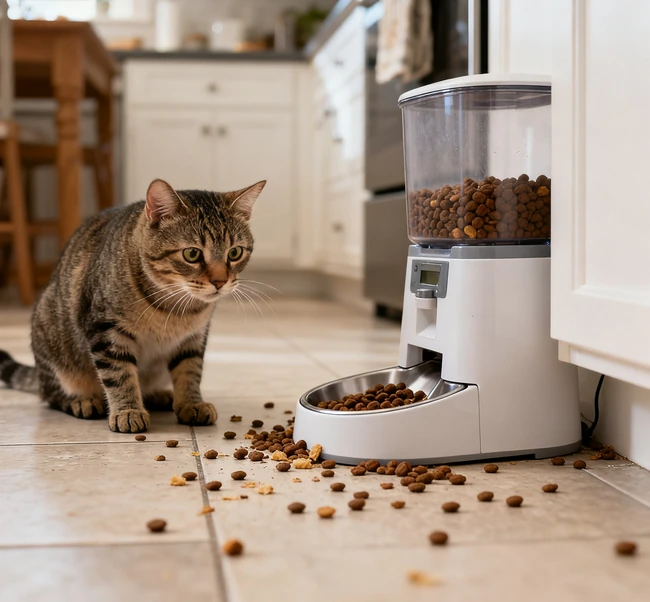
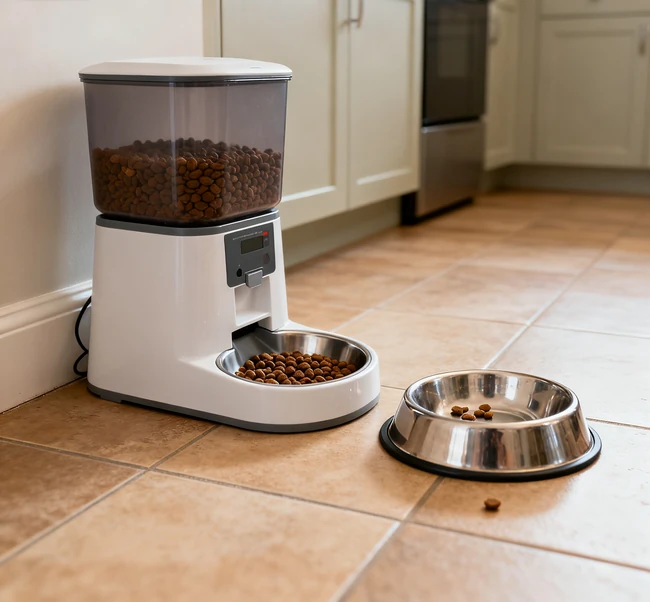
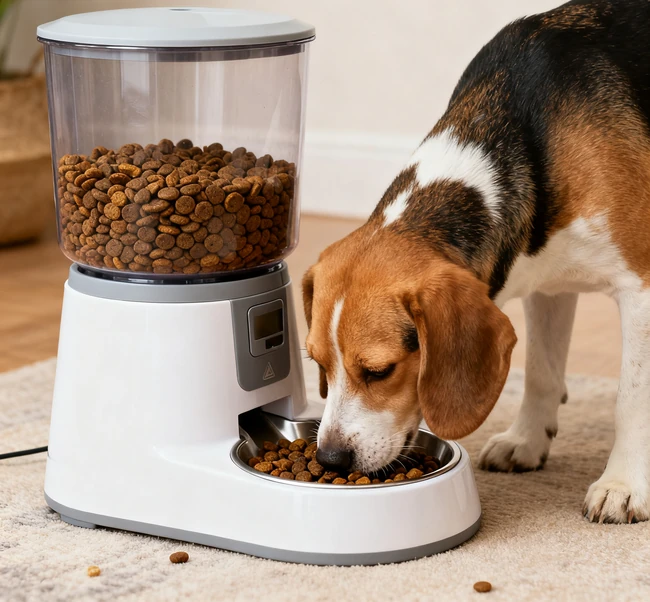
Slow feeder bowls are designed with intentional obstacles—ridges, mazes, pins, or patterns—that physically block a dog’s access to large amounts of food. Instead of gulping, the dog must use its tongue and snout to carefully work around these obstacles to retrieve individual kibble pieces. This transforms a 30-second feeding frenzy into a 10-20 minute engaging activity. It’s important to note that while most automatic feeders are designed for convenience and portion control, some models can be used in conjunction with slow feeder inserts. For instance, when we tested the COZOFU Automatic Gravity Dog Feeder, we noted its large capacity was great for multi-dog households, but the food delivery could still be eaten rapidly if not paired with a slow-feed strategy.
Are There Any Downsides to Slow Feeders?
While the benefits are significant, slow feeders are not a one-size-fits-all solution. At GoFeedPet, our honest and transparent approach means we always consider the full picture. Potential drawbacks include:
- Frustration for Some Dogs: A dog that is not used to puzzles or has a very low frustration threshold may give up, leading to reduced food intake.
- Not Suitable for Flat-Faced Breeds: Brachycephalic breeds like Pugs or Bulldogs may struggle physically to access food in bowls with very high ridges.
- Durability and Safety Concerns: Poorly made plastic bowls can be chewed and ingested. We always recommend choosing a slow feeder made from food-safe, durable materials like heavy-duty rubber, ceramic, or stainless steel.
- Cleaning Difficulty: The intricate designs can be tricky to clean thoroughly, making them susceptible to bacteria growth if not maintained properly.
Choosing the Right Slow Feeder for Your Dog
Selecting an effective slow feeder depends on your dog’s size, breed, and eating style. Here’s a quick guide to help you choose.
| Dog Profile | Recommended Slow Feeder Type | Key Considerations |
|---|---|---|
| Beginner / Mildly Fast Eater | Bowls with gentle, wavy ridges or a large central pin. | Low difficulty to prevent frustration while still slowing pace. |
| Expert / Voracious Eater | Complex maze patterns or puzzle feeders with multiple layers. | High difficulty to provide a significant challenge and mental stimulation. |
| Large Breed Dogs | Extra-large, heavy-duty models with wide bases. | Prevents tipping; ensures the maze size is appropriate for a larger snout. |
| Small Breed Dogs | Smaller bowls with narrower, more intricate channels. | Proportioned for a smaller mouth and tongue. |
| Powerful Chewers | Stainless steel or extremely durable, chew-resistant rubber. | Avoids plastic that can be destroyed and ingested, a key safety priority in our testing at GoFeedPet. |
Beyond Bowls: Other Ways to Slow Down Your Dog’s Eating
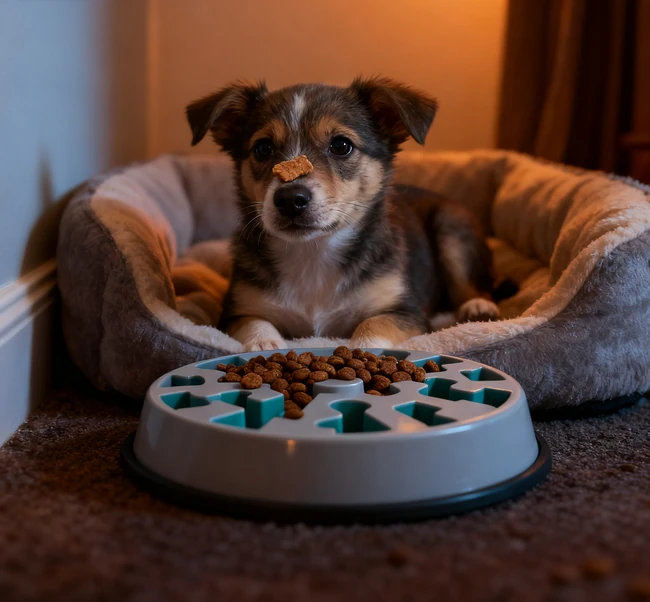
If a slow feeder bowl isn’t the right fit, or you want to add variety, there are several other effective strategies that vets approve of:
- Puzzle Toys: Stuffable toys like Kongs that dispense food as the dog plays with them.
- Food Dispensing Balls: The dog must roll the ball around to have kibble fall out.
- Muffin Tin Method: Place kibble in the cups of a muffin tin and cover some with tennis balls.
- Scatter Feeding: Scatter kibble across a large, clean floor or in the grass for your dog to forage.
- Using a Feeder with Portion Control: For timed meals, an Automatic Dog Feeder by Nityers can dispense small, controlled portions throughout the day, preventing a large volume of food from being available all at once.
Frequently Asked Questions (FAQs)
Do vets recommend slow feeders for all dogs?
No, they are primarily recommended for dogs that eat too quickly. For dogs that already eat at a leisurely pace, a slow feeder is unnecessary and may cause frustration. They are also generally not recommended for flat-faced breeds without careful model selection.
Can cats use slow feeders?
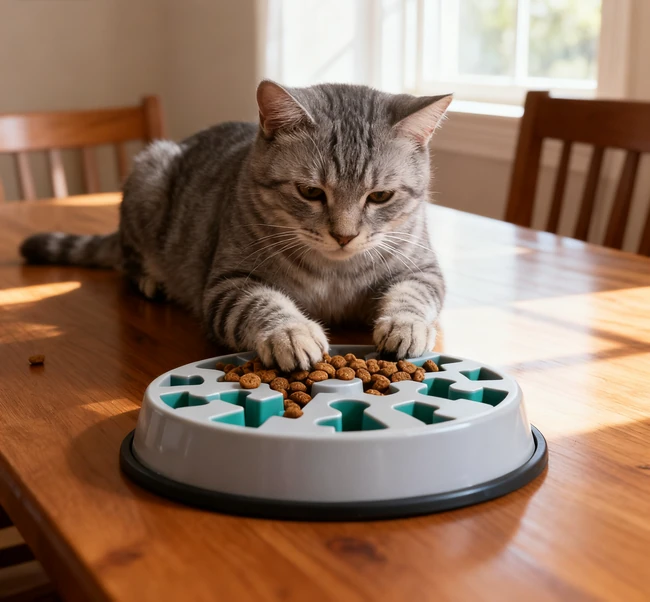
Absolutely! While less common, fast-eating cats can also benefit from slow feeders. They can help prevent vomiting and obesity. There are specific models designed for cats, and some automatic cat feeders can be used with slow-feed accessories.
My dog gets frustrated with the slow feeder. What should I do?
Start with a simpler, beginner-level model. You can also make it easier initially by mixing the kibble with a bit of wet food or broth and smearing it on the obstacles, or by placing some kibble on top of the maze before adding the rest. Gradually phase out the “easy” food as your dog learns.
How do I clean a slow feeder bowl effectively?
Use a bottle brush or a small, soft-bristled brush to scrub the grooves and corners with warm, soapy water immediately after use. For a deeper clean, most durable plastic and rubber models are dishwasher safe (top rack), but always check the manufacturer’s instructions. Stainless steel inserts are often the easiest to clean thoroughly.
Are slow feeders a substitute for a water fountain or other feeding accessories?
No, they serve different purposes. A slow feeder addresses eating pace, while a water fountain encourages hydration with fresh, filtered water. Each accessory targets a specific aspect of your pet’s health and well-being.
How does GoFeedPet test and evaluate products like slow feeders?
At GoFeedPet, our reviews are built on a foundation of trust and real-world experience. When we evaluate a product like a slow feeder or an automatic feeder, we conduct hands-on testing for a minimum of 30 days with our own pets. We assess criteria like safety (material, stability, design), effectiveness (how well it slows eating), durability (resistance to chewing and wear), and ease of cleaning. We are transparent that we use affiliate links, but our recommendations are never for sale; they are always made with your pet’s health and happiness as the top priority.
Can I use a slow feeder with an automatic feeder?
Yes, this can be a highly effective combination. The automatic feeder, such as the Miaosical Dual Automatic Cat Feeder, manages portion control and scheduling, while a slow feeder insert or attachment ensures the dispensed food is eaten at a safe pace. For more on this, see our Automatic Feeders FAQ.
Related Topics
- Choosing the Right Dog Food for Your Breed
- Best Cat Food for Weight Management
- Benefits of Pet Water Fountains
- Troubleshooting Your Automatic Feeder
- Read More Expert Pet Product Guides on GoFeedPet
Conclusion
The evidence is clear: vets do recommend slow feeders as a safe, effective, and non-invasive tool to combat rapid eating and its associated health risks in dogs. By promoting slower ingestion, these specialized bowls can help prevent emergencies like bloat, improve digestion, and provide valuable mental enrichment. When selecting a slow feeder, always consider your dog’s unique needs, temperament, and safety. For more in-depth, hands-on reviews of slow feeders, automatic feeders like the Yuposl Automatic Cat Feeder, and other essential pet products, we invite you to explore our comprehensive library of GoFeedPet pet reviews & guides. Your pet’s health is worth the investment.
![Do Automatic Cat Feeders Work for Multiple Cats? [2026 Guide]](https://gofeedpet.com/wp-content/uploads/2026/04/ScreenShot_2026-04-02_213312_189-300x252.jpg)