As a cat owner, you want nothing but the best for your feline friend, and that starts with their diet. But with endless options lining the pet store shelves, from grain-free to raw to prescription diets, answering the question “What is the best food for a cat?” can feel overwhelming. The truth is, there’s no single “best” food for every cat. The ideal choice depends on your cat’s age, health, and lifestyle. This comprehensive guide, informed by veterinary science and our practical testing experience at GoFeedPet, will cut through the confusion and empower you to make the most informed nutritional decision for your pet.
Understanding Your Cat’s Nutritional Needs
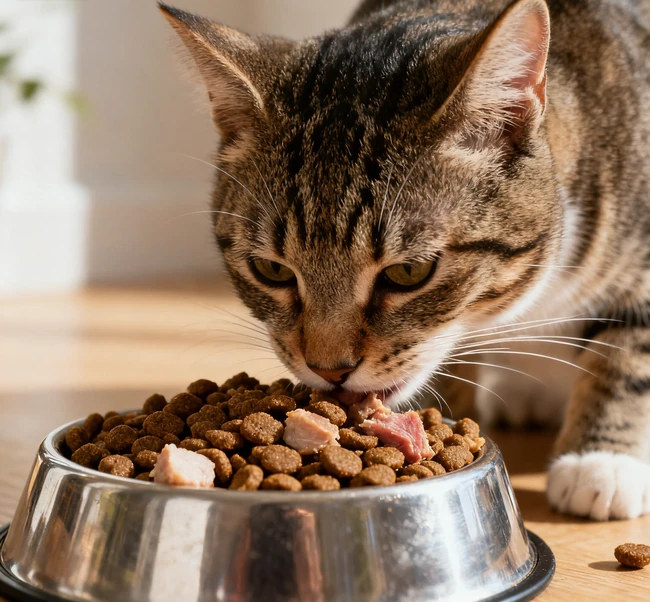
Cats are obligate carnivores, which means they require a diet primarily based on animal protein to thrive. Unlike dogs and humans, they have specific nutritional needs that are non-negotiable for their health.
The Core Components of a Healthy Cat Diet
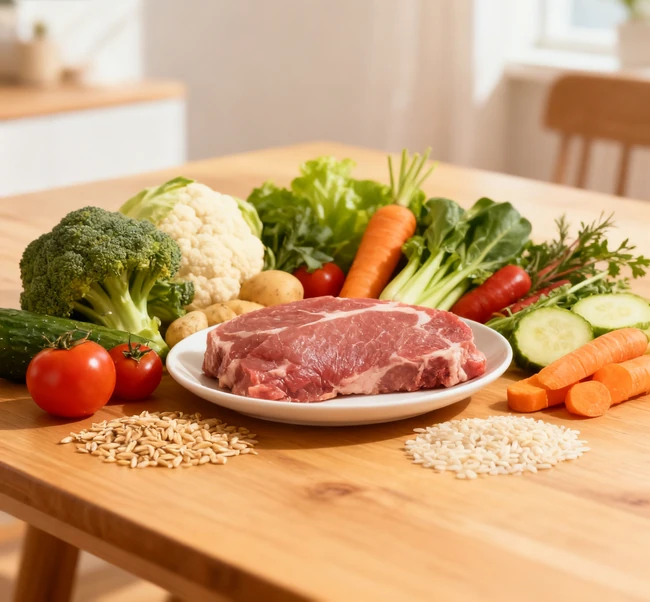
- High-Quality Animal Protein: This should be the first and most abundant ingredient. Look for named meat sources like chicken, turkey, rabbit, or fish.
- Essential Fatty Acids: Fats like omega-3 and omega-6 are crucial for skin, coat, and brain health.
- Limited Carbohydrates: Cats have no biological requirement for carbs. While they provide energy, high-carb diets can lead to obesity and diabetes.
- Taurine: This is an essential amino acid for cats that supports heart and eye health. All commercially prepared cat foods are fortified with it.
- Water: Cats have a low thirst drive, making moisture content in their food critically important.
Wet Food vs. Dry Food: The Great Debate
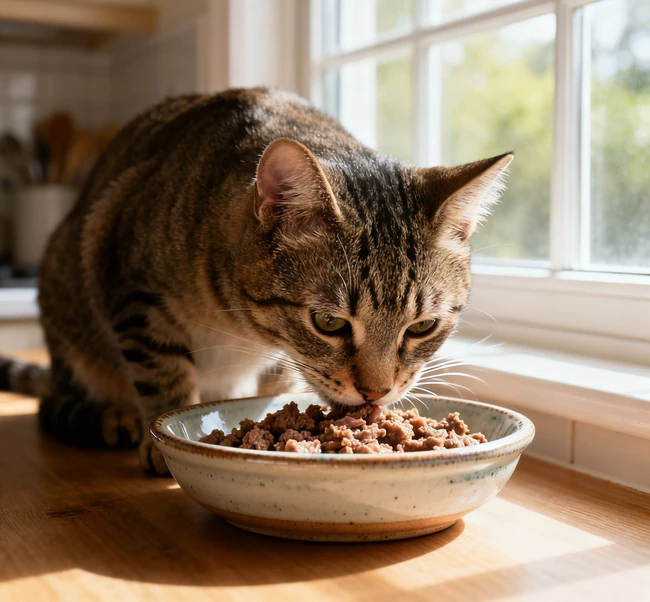
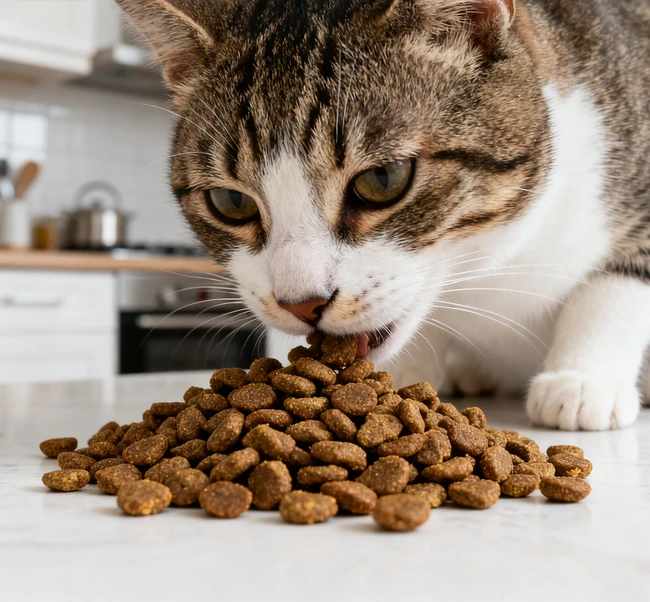
One of the biggest decisions you’ll face is whether to feed wet food, dry food, or a combination of both. Each has its pros and cons.
| Feature | Wet Food (Canned/Pouches) | Dry Food (Kibble) |
|---|---|---|
| Moisture Content | High (70-80%) – Excellent for hydration | Low (around 10%) – Requires cats to drink more water |
| Protein & Carbohydrates | Typically higher in protein, lower in carbs | Often higher in carbohydrates |
| Convenience & Cost | More expensive, shorter shelf life once opened | More affordable, easy to store and serve |
| Dental Health | No dental benefit | Some kibble is designed to help reduce tartar |
Many veterinarians recommend a mixed feeding approach. This provides the hydration benefits of wet food with the convenience and dental perks of dry kibble. For busy pet parents, an Automatic Pet Feeder can be a lifesaver for dispensing precise portions of dry food on a consistent schedule, like the Vacqueen WiFi Automatic Cat Feeder for 3 Cats which allows for customized meal plans.
How to Choose the Best Food for Your Cat’s Life Stage
A kitten’s nutritional needs are vastly different from a senior cat’s. Always select a food formulated for your cat’s specific life stage.
Kitten Food (Up to 1 Year)
Kittens are growing rapidly and need a diet rich in calories, protein, and fat to support their development. Look for food labeled specifically for “kittens” or “growth.”
Adult Maintenance Food (1-7 Years)
This food is formulated to maintain a healthy weight and support an active adult life. The focus is on balanced nutrition without excess calories.
Senior Cat Food (7+ Years)
Older cats may need food with easier-to-digest protein, joint support supplements like glucosamine, and controlled phosphorus levels for kidney health.

Decoding the Cat Food Label: What to Look For
The ingredient list and nutritional guarantee on a bag or can of cat food tell you everything you need to know.
- The First Ingredient: This should always be a named animal protein (e.g., “deboned chicken,” not “poultry by-product meal”).
- Named Protein Meals: “Chicken meal” is a concentrated source of protein and is a good ingredient. Avoid vague terms like “meat meal.”
- AAFCO Statement: This is crucial. Look for a sentence that says the food is “formulated to meet the nutritional levels established by the AAFCO Cat Food Nutrient Profiles” for your cat’s life stage (e.g., kitten, adult, senior).
Special Dietary Considerations
Some cats have unique health needs that require a specialized diet. Always consult your veterinarian before switching to a therapeutic food.
- Weight Management: Look for high-protein, high-fiber, low-fat formulas that help cats feel full while consuming fewer calories.
- Urinary Health: These diets are designed to control pH and reduce the risk of crystal formation. Ensuring your cat drinks enough water is key, which can be encouraged with a pet water fountain.
- Food Allergies/Sensitivities: Limited ingredient diets (LID) or novel protein sources (like duck or venison) can help identify and avoid allergens.
- Hairball Control: These formulas typically include added fiber to help move hair through the digestive system.
Our Testing Perspective at GoFeedPet
While our primary focus at GoFeedPet is on feeding solutions like automatic feeders and bowls, we understand that the food you put in those devices is paramount. Our testing philosophy is rooted in safety and practicality. For instance, when we test a feeder like the Miaosical Dual Automatic Cat Feeder, we not only evaluate its programming and reliability but also consider what types of kibble it dispenses best without jamming. We prioritize products that maintain food freshness and ensure consistent, on-time meals because we know that a reliable feeding routine is part of a holistic approach to your cat’s health.
Frequently Asked Questions (FAQs)
What is more important: wet or dry cat food?
Both have their place. Wet food is superior for hydration, which is critical for long-term kidney and urinary tract health. Dry food is more convenient and can be better for dental health. A combination of both is often considered the ideal approach.
How often should I feed my cat?
Most adult cats do well with two measured meals per day. Kittens require more frequent, smaller meals. Using a timed automatic feeder can help maintain a consistent schedule, which is beneficial for weight management and digestion.
Are grain-free diets better for cats?
Not necessarily. True grain allergies in cats are rare. The carbohydrate content and the source of protein are far more important. Some grain-free diets simply replace grains with other high-carb ingredients like potatoes or legumes. Focus on the overall quality and protein content first.
How can I tell if my cat’s food is agreeing with them?
Signs of a good diet include a shiny coat, healthy skin, consistent energy levels, and firm, well-formed stools. Signs of a problem can include vomiting, diarrhea, excessive itching, dandruff, or a dull coat.
Should I give my cat human food?
It’s generally best to avoid it. Many human foods are toxic to cats (onions, garlic, chocolate, etc.). If you want to offer a treat, stick to small, safe options like plain cooked chicken or a bit of canned tuna in water, and always consult your vet first.
How does GoFeedPet test and evaluate pet products?
At GoFeedPet, our reviews are built on a foundation of trust and real-world use. We conduct hands-on testing with our own pets for a minimum of 30 days where applicable. We evaluate products based on safety, reliability, ease of use, and practicality. We are transparent that we use affiliate links, but our recommendations are never for sale; they are based solely on our honest testing with your pet’s best interests at heart. You can read more about our process on our pet reviews & guides page.
Related Topics
- Best Automatic Pet Feeders for Multiple Cats
- How to Switch Your Cat to a New Food
- The Benefits of a Cat Water Fountain
- Portion Control and Cat Obesity
- Stainless Steel vs. Ceramic Cat Bowls
Conclusion
Finding the best food for your cat is a journey that requires careful consideration of their individual needs. There is no one-size-fits-all answer. Start by understanding their core nutritional requirements as carnivores, consider their life stage and any health concerns, and learn to read labels effectively. Don’t be afraid to consult your veterinarian for personalized advice. And remember, whether you use a simple bowl or a sophisticated automatic cat feeder, providing a consistent routine with high-quality nutrition is the greatest gift you can give your feline companion. For more in-depth reviews and guides on feeding solutions that complement your cat’s diet, explore the wealth of information available at GoFeedPet.