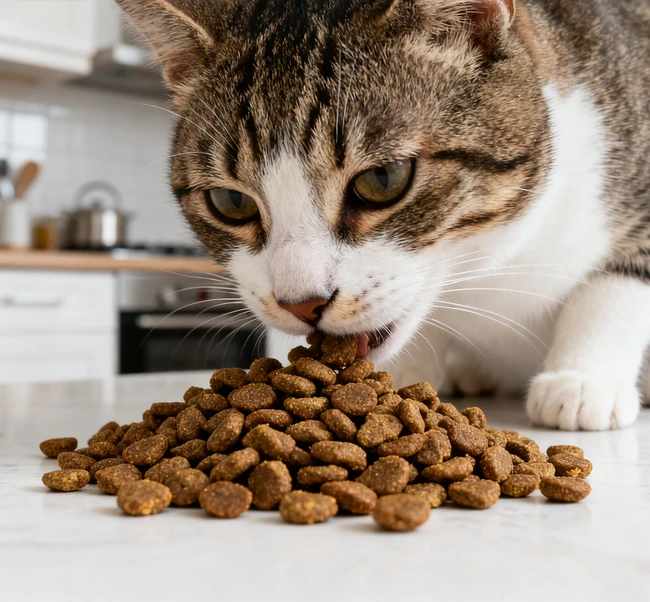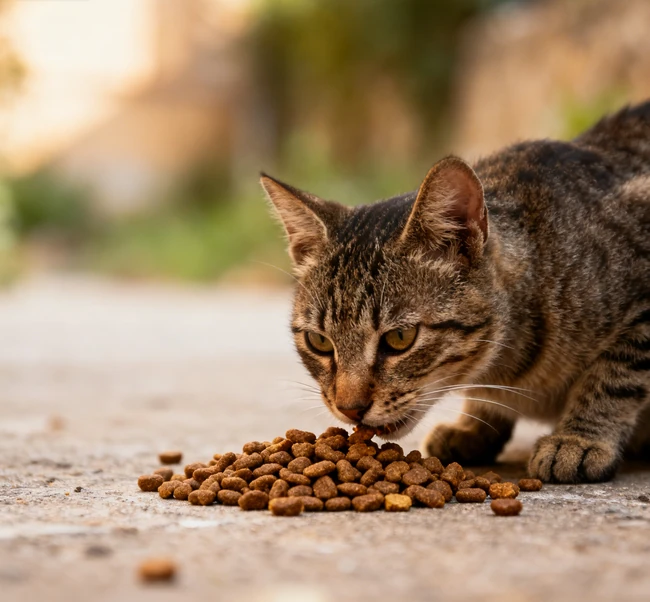
Seeing a hungry stray cat can tug at your heartstrings, prompting an immediate desire to help. But reaching for the nearest can of tuna or scrap of cheese might do more harm than good. As animal lovers and responsible community members, it’s crucial to understand what food is best for stray cats to ensure our good intentions translate into genuine help. This guide cuts through the confusion, offering a clear, actionable, and safe approach to feeding the homeless felines in your neighborhood, based on principles of animal welfare and nutrition.
Understanding the Stray Cat’s Unique Needs
Before diving into specific foods, it’s important to recognize that stray cats face challenges domestic pets do not. They often deal with inconsistent food sources, exposure to the elements, and potential health issues. The ideal food for a stray should be:
- Nutrient-Dense: Providing maximum energy and nutrition from a small portion.
- Easy to Digest: Their systems may be sensitive from stress or poor prior nutrition.
- Hydrating: Since access to clean water is not guaranteed.
- Safe and Uncontaminated: Food should be fresh and served in a clean manner to prevent illness.
The Best Food Choices for Stray Cats: A Practical List
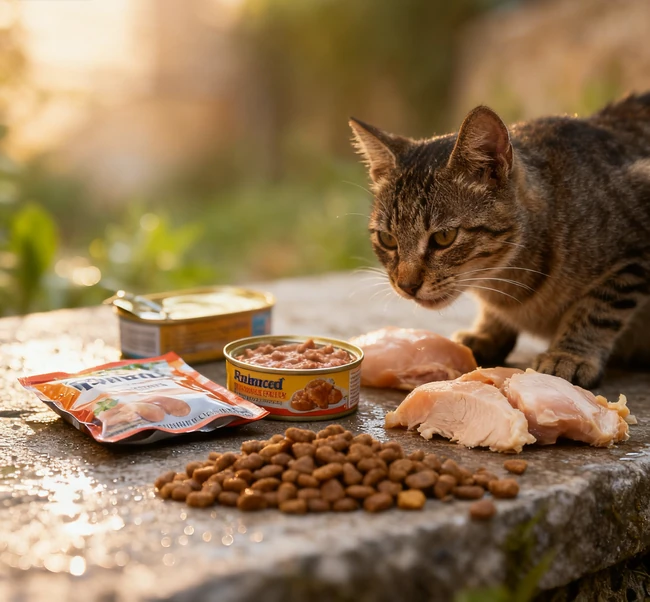
When you’re at the store wondering what to buy, here are the safest and most beneficial options.
1. Complete and Balanced Wet Cat Food
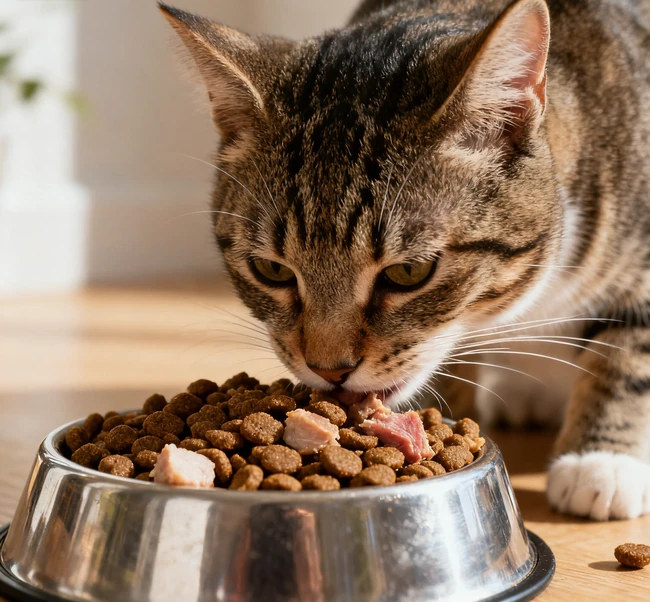
This is often the gold standard for feeding strays. High-quality wet food is specifically formulated to meet a cat’s nutritional needs. Its high moisture content is a major benefit, helping to keep the cat hydrated, which is critical for kidney and urinary tract health. It’s also typically very palatable, making it a good option for enticing a nervous cat to eat.
2. High-Quality Dry Cat Food (Kibble)
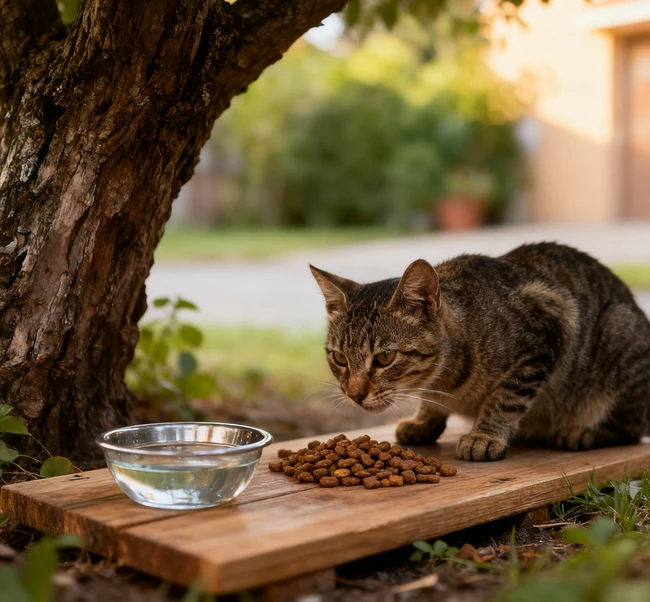
Dry food is a practical choice for long-term or community feeding programs because it doesn’t spoil quickly. Look for brands where a named meat (like chicken or salmon) is the first ingredient. While convenient, remember that kibble has very low moisture content. If you’re providing dry food, it is absolutely essential to also provide a fresh, clean source of water nearby. For insights into reliable cat food options, our reviews prioritize nutritional value and safety.
3. Plain, Cooked Meats
As a temporary solution, you can offer small amounts of plain, cooked meat. Chicken, turkey, or beef that has been boiled or baked without any oils, salts, seasonings, or sauces is a safe protein source. Always ensure it’s cooled to room temperature before serving.
Foods to Absolutely Avoid: The “Do Not Feed” List
Some common human foods are toxic to cats and must be avoided at all costs.
- Onions and Garlic: Cause damage to red blood cells, leading to anemia.
- Chocolate and Caffeine: Contain substances that are toxic to a cat’s nervous system and heart.
- Grapes and Raisins: Can cause sudden kidney failure.
- Alcohol: Extremely dangerous, even in small amounts.
- Bones: Cooked bones can splinter and cause internal injuries or choking.
- Milk and Dairy: Contrary to popular belief, most adult cats are lactose intolerant and cannot properly digest cow’s milk, which can lead to severe digestive upset.
Beyond the Bowl: Feeding Logistics and Safety
How you feed is almost as important as what you feed.
Portion Control and Feeding Schedule
Consistency is key. If you decide to feed a stray cat regularly, try to do so at the same time and place each day. This prevents over-reliance and helps manage local wildlife issues. Offer a portion they can finish in one sitting to avoid attracting insects or other animals. For those who cannot always be present, a reliable automatic cat feeder can provide scheduled meals, ensuring the cat is fed even when you’re away. In our testing at GoFeedPet, we prioritize feeders with consistent portion control and durability for various environments.
Providing Fresh Water
A constant supply of fresh water is non-negotiable, especially if the cat’s diet is primarily dry food. Change the water daily and place the bowl in a shaded, safe area. For a more hygienic and continuous solution, a gravity-based pet feeder and water dispenser can be an excellent low-maintenance option.
Long-Term Care and TNR (Trap-Neuter-Return)
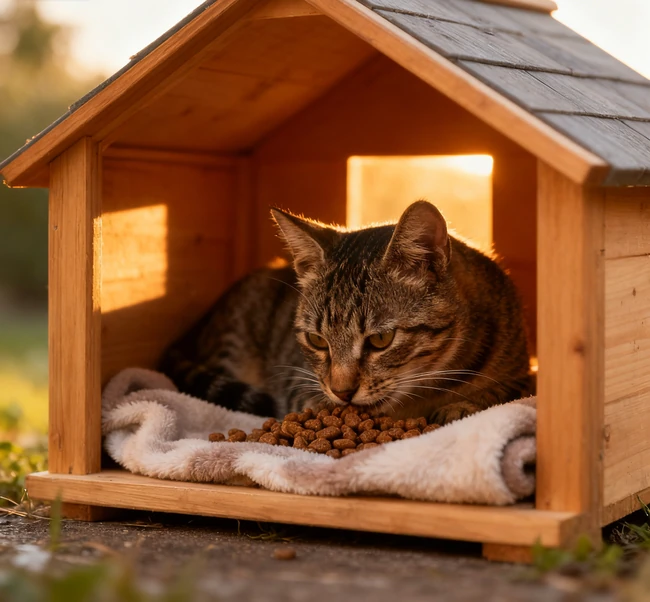
Providing food is a wonderful act of compassion, but the most impactful thing you can do for a community cat’s health and well-being is to support its involvement in a TNR program. TNR humanely traps cats, spays or neuters them, vaccinates them (often against rabies), and then returns them to their territory. This stops the breeding cycle, improves the cats’ health, and is the recognized best practice for managing stray cat populations.
Frequently Asked Questions
Is it okay to feed a stray cat tuna in water?
As an occasional, one-time treat, plain tuna packed in water is generally safe. However, it should not be a staple diet. Tuna lacks essential nutrients like taurine that cats need to survive and can lead to malnutrition and mercury buildup if fed regularly.
What should I do if a stray cat won’t eat the food I offer?
Don’t be discouraged. The cat may be scared, unwell, or simply not hungry. Leave the food in a quiet, safe location and retreat to a distance where the cat feels comfortable. If it consistently refuses food over 24-48 hours and appears lethargic, it may need veterinary attention.
Can I feed stray cats dog food?
No. Dog food is not nutritionally adequate for cats. Cats are obligate carnivores and require specific nutrients like taurine and arachidonic acid, which are not present in sufficient quantities in dog food. Long-term feeding of dog food can cause severe health issues in cats.
How can I feed a stray cat consistently if I have an irregular schedule?
Automatic feeders are a great solution for this. Models like the PETLIBRO 5G WiFi Automatic Pet Feeder allow you to schedule meals via an app from anywhere, while simpler, battery-operated models like the IMIPAW Automatic Cat Feeder provide reliable timed portions without needing WiFi.
What is GoFeedPet’s approach to testing products like automatic feeders?
At GoFeedPet, our mission is to help pet parents make confident, informed decisions. When we review products like automatic cat feeders or gravity feeders, we conduct real-world testing for at least 30 days. We evaluate them based on safety, reliability, portion accuracy, ease of cleaning, and power backup options. We are transparent about our affiliate relationships and always prioritize what is best for the pet’s health and safety over any commission.
Is it better to feed a stray cat once or twice a day?
For an adult cat, one or two meals a day is sufficient. The key is consistency. Feeding at the same time(s) each day helps the cat establish a routine and prevents it from becoming a nuisance by begging at all hours.
Should I bring a friendly stray cat into my home?
If a cat is very friendly and you are considering adoption, your first step should be to take it to a veterinarian to check for a microchip. If there is no owner, the vet can assess its overall health and discuss next steps, including vaccination and integration into your home.
Related Topics
- Best Automatic Feeder for Multiple Cats
- Timed Pet Food Dispensers
- Smart Feeders with Voice Recording
- Honest Pet Product Reviews
- WiFi-Enabled Pet Feeders
Conclusion
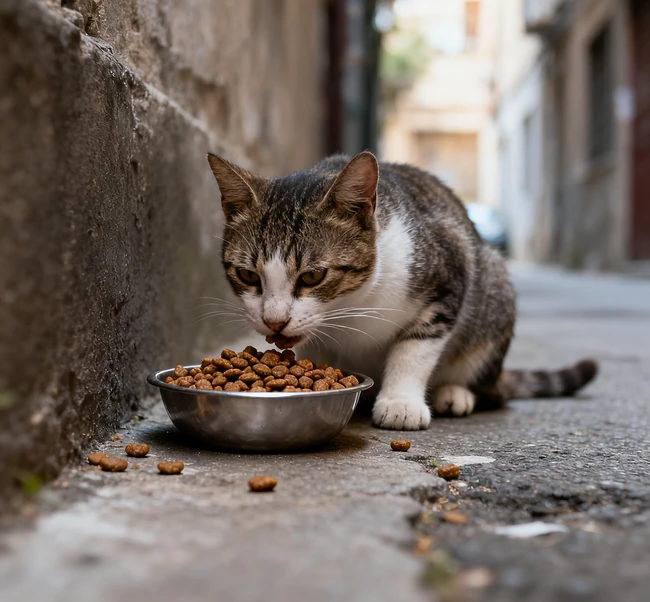
Knowing what food is best for stray cats empowers you to provide meaningful help. By choosing nutrient-rich wet or dry cat food, avoiding harmful human foods, and ensuring a consistent supply of fresh water, you contribute positively to the well-being of your local feline community. Remember, combining feeding with support for TNR programs creates the most sustainable and humane outcome. For more detailed reviews and guides on pet feeding solutions that prioritize safety and reliability, we invite you to explore the comprehensive resources at GoFeedPet.