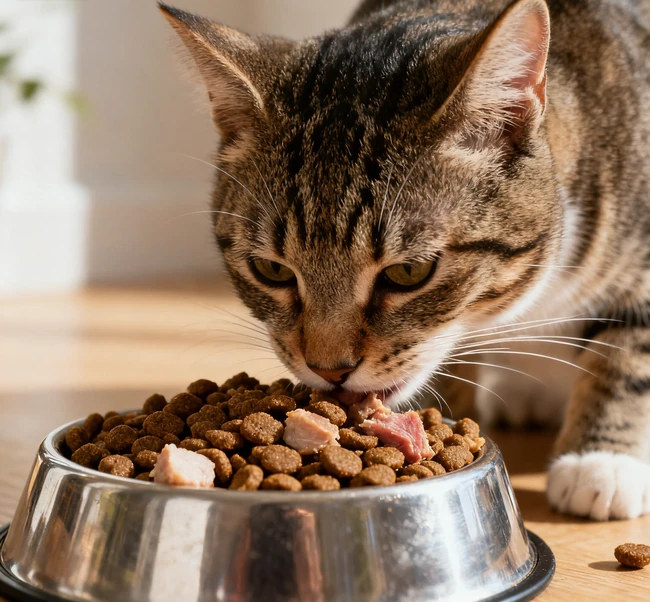
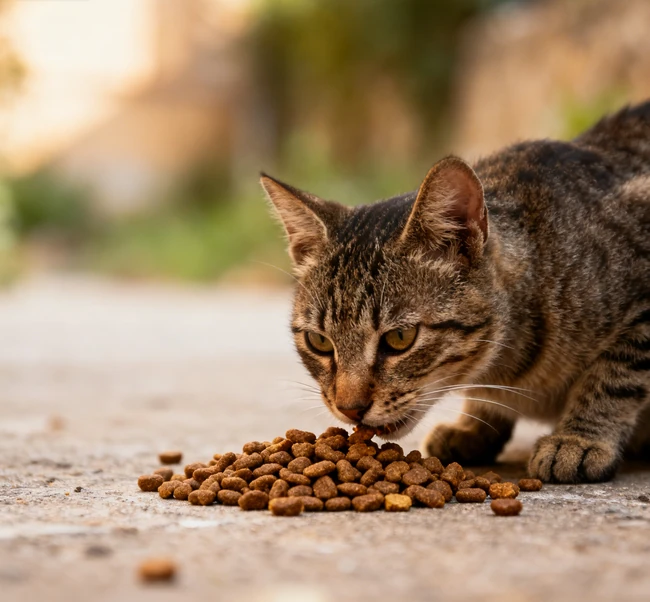
As a cat owner, you want the best for your feline friend, and that starts with their diet. One of the most common questions we encounter at GoFeedPet is, “Can my cat live on dry food only?” The short answer is yes, a cat can technically survive on a high-quality, nutritionally complete dry food diet. However, survival is not the same as thriving. This comprehensive guide dives deep into the pros, cons, and crucial considerations of an exclusively dry food diet, empowering you to make the most informed decision for your cat’s long-term health and happiness.
The Pros of a Dry Food Only Diet
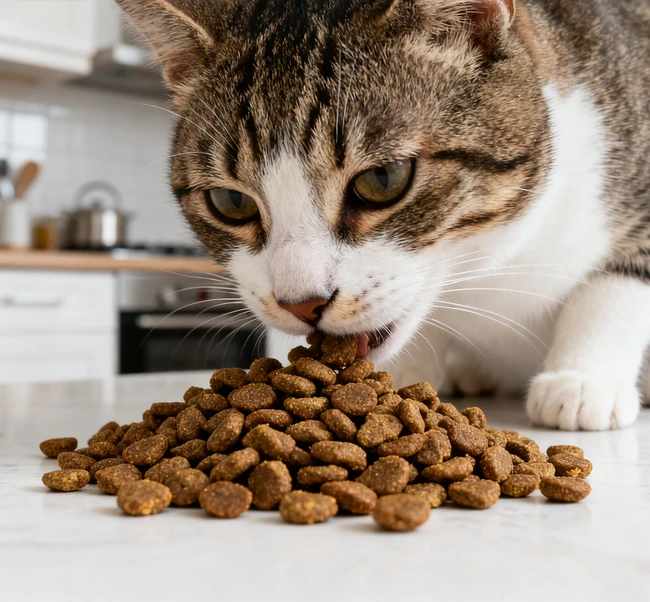
Dry cat food, or kibble, is immensely popular for several valid reasons. Understanding its benefits helps explain why it’s a staple in many households.
- Convenience and Cost-Effectiveness: Kibble is easy to store, doesn’t require refrigeration, and is generally less expensive per serving than wet food. This makes it a practical choice for many pet parents.
- Dental Health Claims: The crunchy texture of kibble can help scrape some plaque from a cat’s teeth. However, it’s important to note that this is a minor benefit and is not a substitute for proper dental care like brushing or veterinary cleanings.
- Ease of Use with Feeders: Dry food is ideal for use in automatic feeders, which can be a lifesaver for busy owners or for maintaining a consistent feeding schedule. Products like the PETLIBRO 5G WiFi Automatic Pet Feeder allow for precise portion control and remote scheduling, ensuring your cat is fed on time, every time.
The Significant Cons and Health Risks
While convenient, an exclusively dry diet comes with significant drawbacks that can impact your cat’s health.
Low Moisture Content: The Biggest Concern
Cats are descendants of desert animals and have a low thirst drive. They are designed to get most of their moisture from their prey. Dry food contains only about 10% water, compared to 78% or more in wet food. This chronic state of mild dehydration can predispose cats to:
- Urinary Tract Issues: Including potentially life-threatening conditions like Feline Lower Urinary Tract Disease (FLUTD) and kidney stones.
- Chronic Kidney Disease: Overworking the kidneys over a lifetime due to low water intake can contribute to renal problems later in life.
High Carbohydrate Content
Cats are obligate carnivores, meaning their bodies are designed to run on protein and fat, not carbohydrates. Many dry foods are high in carbs (used as binding agents), which can lead to obesity and diabetes, especially in indoor, less active cats.
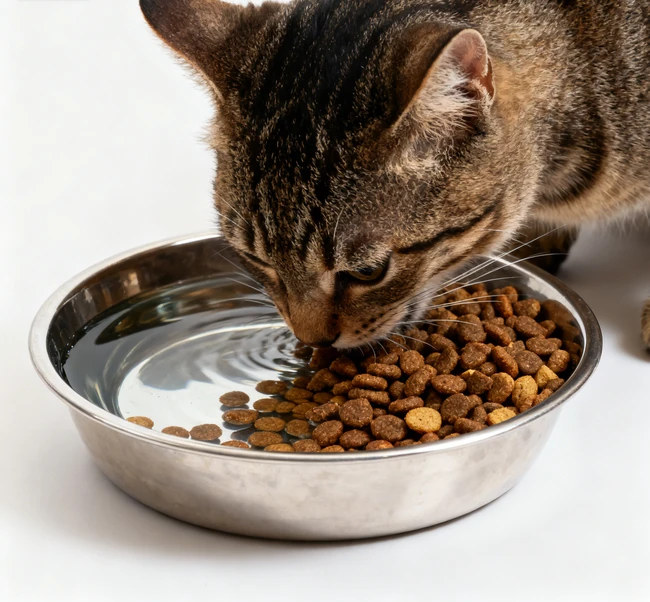
Wet Food vs. Dry Food: A Quick Comparison
| Factor | Dry Food (Kibble) | Wet Food (Canned/Pouched) |
|---|---|---|
| Moisture Content | ~10% | >78% |
| Carbohydrate Level | Generally High | Generally Low |
| Convenience & Cost | High | Moderate to Low |
| Dental Benefit | Minor plaque reduction | None |
| Palatability | Varies | Typically High |
How to Make a Dry Food Diet Safer and Healthier
If you choose or need to feed a dry-only diet, you must take proactive steps to mitigate the risks. Here are our top recommendations, based on our research and product testing at GoFeedPet.
1. Prioritize Hydration
This is non-negotiable. You must encourage your cat to drink more water.
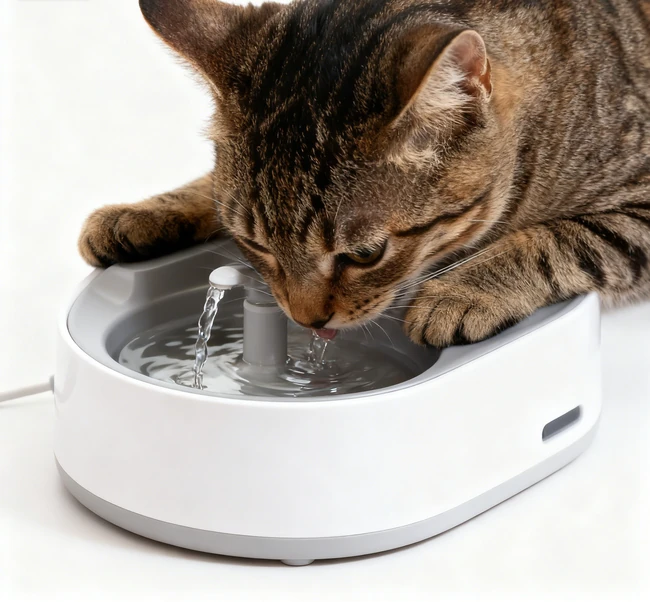
- Invest in a Water Fountain: Cats are naturally attracted to moving water. A pet water fountain can significantly increase their water intake.
- Multiple Water Stations: Place several bowls of fresh water around the house, away from their food and litter box.
- Add Water to Kibble: Slowly introduce a small amount of water or unsalted chicken broth to their dry food to increase moisture consumption.
2. Choose a High-Quality Kibble
Not all dry foods are created equal. Look for the following when selecting a cat food:
- Named Animal Protein as First Ingredient: Look for “chicken,” “salmon,” etc., not vague terms like “meat by-products.”
- Low Carbohydrate Content: Aim for foods with minimal fillers like corn, wheat, and soy.
- AAFCO Statement: Ensure the food is labeled “complete and balanced” for your cat’s life stage (e.g., kitten, adult, senior).
3. Practice Strict Portion Control
Because kibble is calorie-dense, overfeeding is easy. Use a measuring cup or, for ultimate precision, an automatic feeder. During our testing of the Yuposl Automatic Cat Feeder, we found its portion control to be exceptionally accurate, preventing accidental overfeeding that can lead to weight gain.
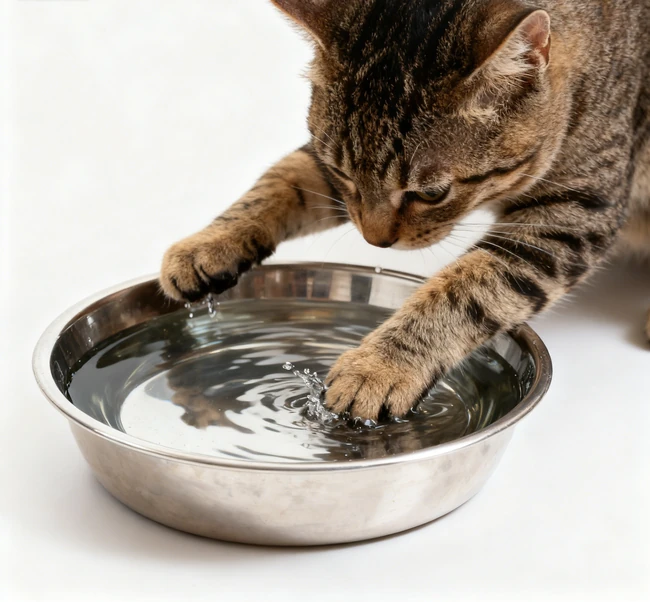
The Ideal Solution: A Combined Diet
Most veterinarians and feline nutrition experts agree that the best approach is a combination of wet and dry food. This strategy offers a “best of both worlds” scenario:
- Hydration from Wet Food: Even one wet food meal a day can dramatically improve your cat’s total water intake.
- Convenience and Dental Benefit from Dry Food: Use dry food for free-feeding or automated meals with a reliable feeder like the oneisall Automatic Cat Feeder for 2 Cats, which is perfect for multi-cat households.
- Dietary Variety: This can help prevent picky eating and provide a broader range of nutrients.
Frequently Asked Questions (FAQs)
Can a cat live its whole life on dry food?
Yes, many cats do live their entire lives on dry food without any overt, major health crises. However, they may be at a higher risk for urinary, kidney, and weight-related issues compared to cats on a wet or mixed diet. Providing ample water is critical.
Is it cruel to only feed dry food?
It is not inherently “cruel” if you are feeding a high-quality kibble and taking active steps to ensure your cat is well-hydrated. The potential cruelty lies in the neglect of the associated health risks, not the food itself.
How can I get my cat to drink more water?
As mentioned, water fountains are highly effective. You can also try offering bottled or filtered water if your cat is sensitive to chlorine, adding water to their food, or offering ice cubes made from tuna water (ensure it’s low-sodium).
What are the signs of dehydration in cats?
Watch for lethargy, loss of appetite, dry gums, and decreased skin elasticity (gently pinch the skin on the back of their neck; if it doesn’t snap back quickly, they may be dehydrated).
What should I look for in a high-quality dry cat food?
Prioritize foods with a high percentage of named animal protein, low carbohydrates, and essential nutrients like taurine. Avoid foods with excessive artificial colors, flavors, or preservatives.
How does GoFeedPet test and evaluate automatic feeders mentioned in your articles?
At GoFeedPet, our reviews are built on a foundation of trust and real-world use. We conduct hands-on testing with our own pets for a minimum of 30 days, evaluating key criteria like portion accuracy, reliability, ease of cleaning, battery life, and safety features. We are transparent about our affiliate relationships and always prioritize what is genuinely best for the pet and owner over any commission.
My cat refuses to eat wet food. What can I do?
Transition slowly. Start by offering a tiny amount of wet food as a “treat” alongside their regular kibble. You can also try mixing a very small spoonful into their dry food, gradually increasing the ratio over weeks. Experiment with different textures (pate, flakes, gravy) and flavors.
Related Topics
- Best Dry Cat Foods for Indoor Cats
- Automatic Feeders for Multi-Cat Homes
- How to Switch Your Cat to a New Food
- Combination Food and Water Dispensers
- Signs of a Healthy Cat Diet
Conclusion
So, can cats live on dry food only? The answer is nuanced. While it’s possible, an exclusively dry diet requires a committed owner who is vigilant about hydration, portion control, and selecting a high-quality kibble. The healthiest path for most cats is a balanced diet that includes wet food to support their urinary and overall health. No matter which feeding route you choose, the goal is to make an informed decision that supports your cat’s well-being. For more in-depth, honestly tested reviews on pet feeders, bowls, and other essential products, we invite you to explore the comprehensive guides at GoFeedPet.